Air Freight vs Ocean Freight
Air freight moves cargo by plane in hours to days, while ocean freight moves cargo by container ship in days to weeks; the core trade-off is speed versus cost, with air freight typically costing several times more per kilogram than ocean freight.
What Is the Difference Between Air Freight and Ocean Freight?
Air freight moves cargo by plane and is measured in hours to days, while ocean freight moves cargo by container ship and is measured in days to weeks. The core trade-off is speed versus cost: air freight is dramatically faster but typically costs several times more per kilogram than ocean freight.
How Each Mode Works
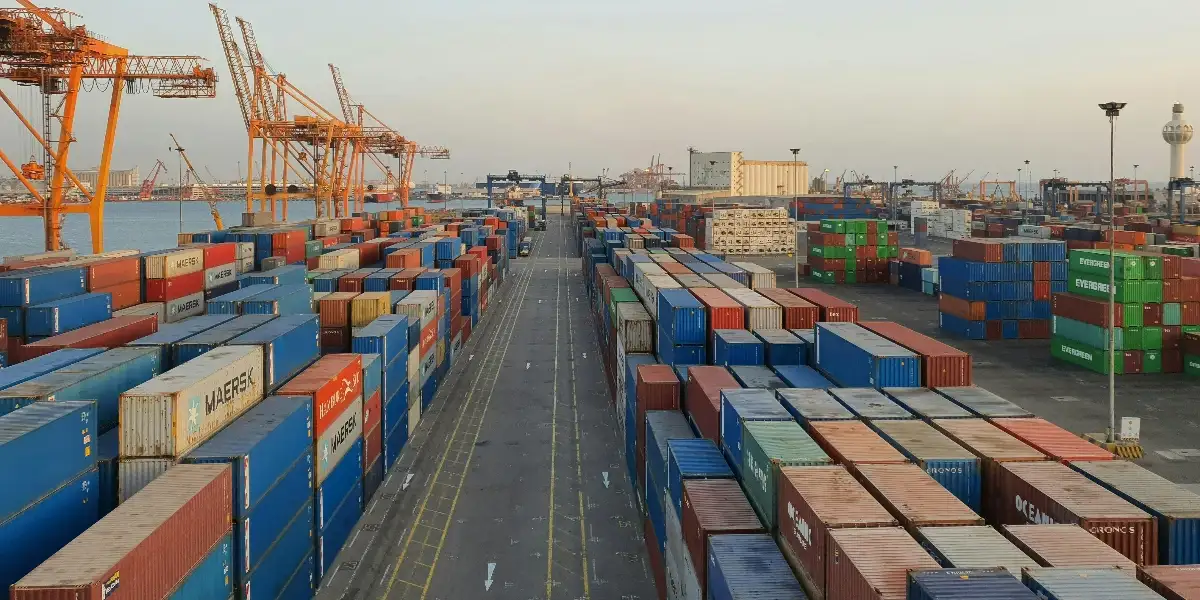
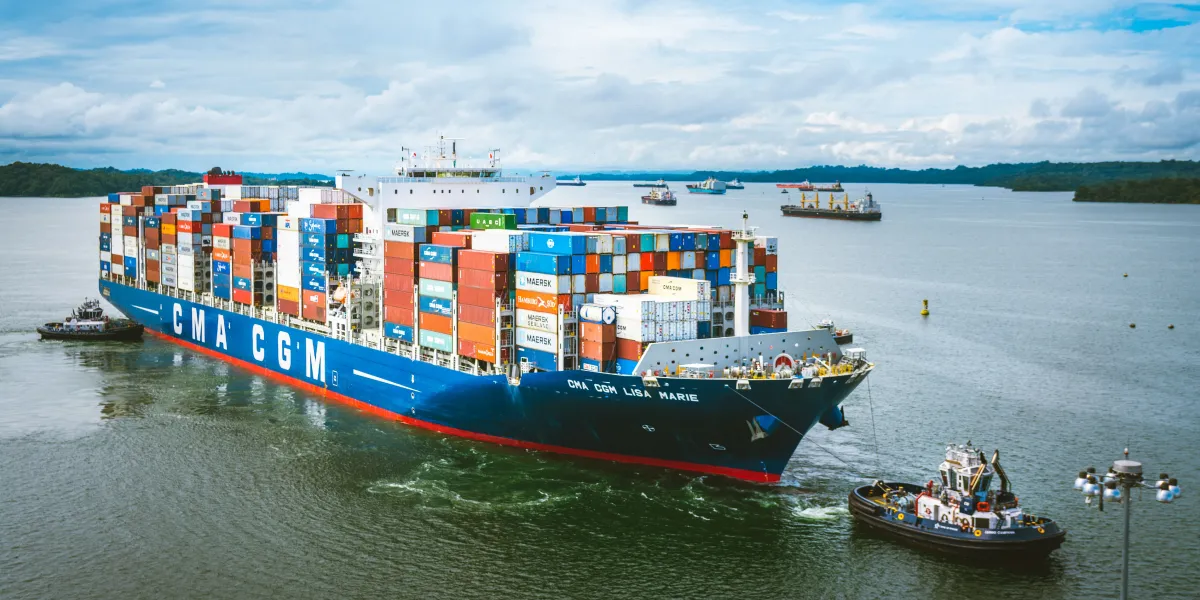
Air freight is booked by weight and volume (chargeable weight) and typically moves through a small number of major cargo hubs, making it fast but capacity-constrained during peak periods. Ocean freight moves via container (FCL or LCL) on scheduled vessel routes, offering much larger capacity at lower cost, but with longer, less flexible transit times and exposure to port congestion.
When to Use Each Mode
- Air freight: high-value, time-sensitive, or perishable goods; emergency replenishment; low-volume, high-margin products
- Ocean freight: bulky or heavy goods; non-urgent replenishment; high-volume shipments where per-unit freight cost matters most
- Many companies use a mix: ocean for standard replenishment, air for urgent or exception orders
Why This Comparison Matters
Getting the mode choice wrong is expensive in both directions: overusing air freight erodes margin, while over-relying on ocean freight without contingency plans risks stockouts when timelines are tight. Companies with visibility into where ocean shipments actually stand can make smarter, later decisions about when an air freight backup is truly needed.
Latest Blog Updates


サプライチェーンをシームレスかつ効率的に


![[ロゴ]](https://cdn.prod.website-files.com/643006af9e6f61169be0dfb1/643006af9e6f611743e0dfee_Logo-Black-big.svg)
