Container Freight Station (CFS)
A Container Freight Station (CFS) is a warehouse facility, usually near a port, where cargo is consolidated into containers for export or deconsolidated from containers after import, especially for less-than-container-load (LCL) shipments.
What Is a Container Freight Station (CFS)?
A Container Freight Station (CFS) is a warehouse facility, usually near a port, where cargo is consolidated into containers for export or deconsolidated (unstuffed) from containers after import, especially for less-than-container-load (LCL) shipments that share container space with other shippers' goods.
How Does a CFS Work?
For exports, individual shippers deliver smaller quantities of cargo to the CFS, where it's grouped with other shipments heading to the same destination and loaded into a shared container. For imports, the reverse happens: a shared container is unloaded at the CFS and each shipper's goods are separated out for pickup or onward delivery. Customs inspection and clearance for LCL cargo often happens at the CFS as well.
CFS vs. Container Yard (CY)
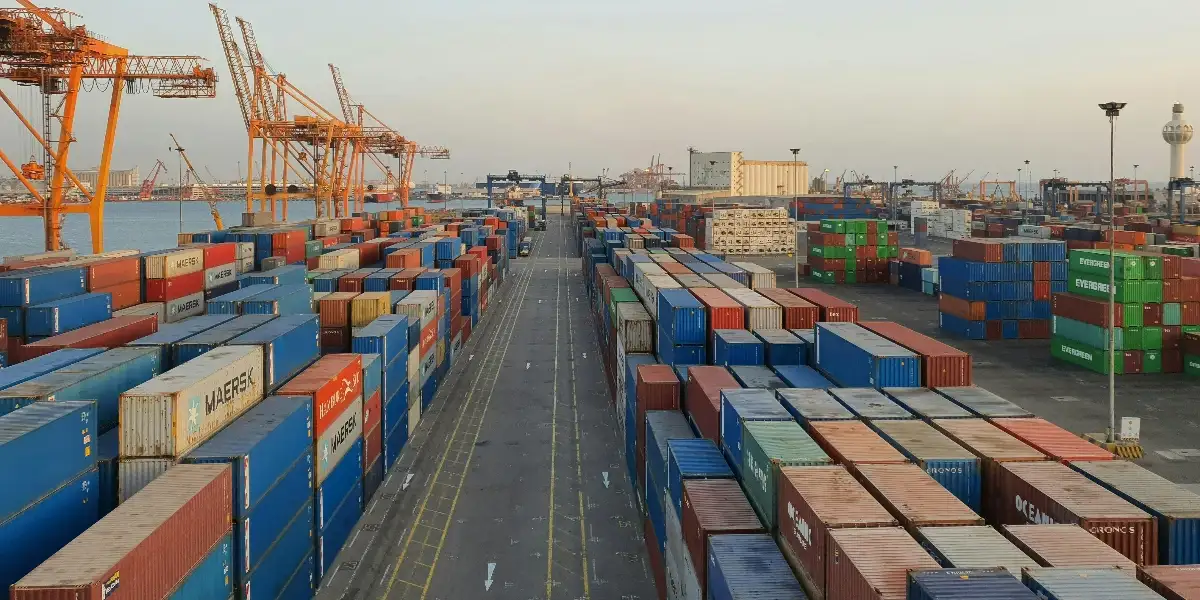
A CFS handles loose cargo that needs to be packed into or unpacked from containers, mainly for LCL shipments. A Container Yard (CY) stores and handles full containers (FCL) that don't need to be opened, containers just move through the yard intact.
Why a CFS Matters
For shippers moving smaller volumes, the CFS is where LCL cargo actually gets handled and where delays most often occur, since consolidation and deconsolidation take coordination across multiple shippers' schedules. Understanding CFS free time and processes helps avoid unexpected storage or handling charges.
Latest Blog Updates


サプライチェーンをシームレスかつ効率的に


![[ロゴ]](https://cdn.prod.website-files.com/643006af9e6f61169be0dfb1/643006af9e6f611743e0dfee_Logo-Black-big.svg)
