A smooth move from SeaRates, with more intelligence built in.
With SeaRates container tracking changing, Portcast keeps your shipments visible and gives your team the intelligence to act. Get predictive ETAs, terminal-level milestones, real-time risk alerts, and freight audit, all in one platform. Built for freight forwarders, shippers, and BCOs.
Talk to our team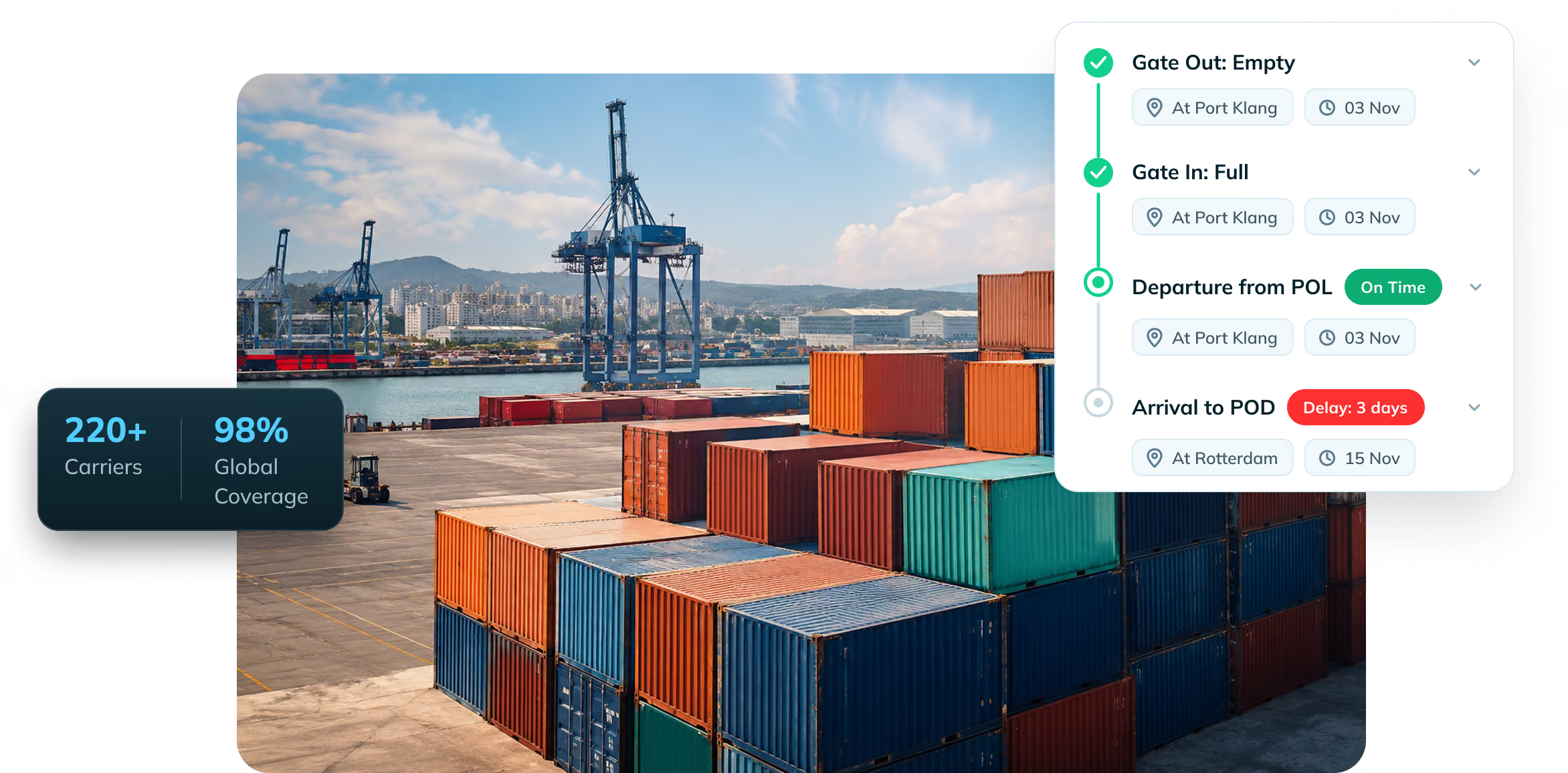








Moving off SeaRates shouldn't mean losing sight of your cargo
Switching a live tracking setup, especially away from SeaRates, is one of the biggest concerns for any team. Your customer ETAs, internal reports, and portals all depend on reliable tracking data. Portcast connects directly to carriers, terminals, vessels, and sailing schedules, using multiple data sources to power, enrich, and validate carrier data. This avoids reliance on a single source and keeps your ocean visibility reliable and resilient.
And it goes beyond tracking data. Portcast turns that data into actionable intelligence for your teams. Here's what that means.
A feed tells you where your container is. Portcast tells you what to do next.
Predictive visibility
Portcast ETAs and ETDs are typically +15% more accurate than carrier estimates, even two to four weeks out. Portcast also flags the reason for each delay, so your team can act early and tell customers what is real.
Terminal visibility and D&D management
Get direct, more accurate terminal data alongside carrier data, with key import and export milestones including Early Receipt Date, Last Free Day, pickup availability, and holds. Get proactive D&D alerts so your team can prioritize pickups and avoid unnecessary costs.
Command Center
A live, exception-first dashboard that surfaces shipments needing attention, with color-coded risk cards and an interactive map to drill from ports or vessels to affected containers. Set thresholds for delays, transshipment idle time, and congestion, and link new risks directly to impacted shipments.
Logistics KPI dashboard
Completed voyages become carrier reliability and lane performance you can prove. Make allocation and procurement calls on real performance, not contract promises. Bring your historical data and benchmark performance over time.
AI agents
A team of agents that work across your live network and draft the next move for your approval: a ranked daily brief, lane-level carrier evidence, and routing ranked on reliability and cost. The agents do the work. You review and approve.
Freight audit
AI checks ocean invoices against contract rates, free time, and actual milestones, then flags overcharges with dispute-ready amounts. 99% extraction accuracy and up to 30% savings on freight spend.
Air freight tracking
Get standardised air freight milestones across 350+ airlines, from customs clearance to final delivery, in the same platform as your ocean shipments. Give customers accurate AWB ETAs and manage air and ocean from one place.
Air Telemetry Data
Enhance airline data with live aircraft telemetry to see what’s actually happening in the air. Get proactive departure and arrival notifications, and compare aircraft movements against airline data to identify and challenge discrepancies.
Built for forwarders, shippers and BCOs

We handle the switch from SeaRates, so your team doesn't feel it.
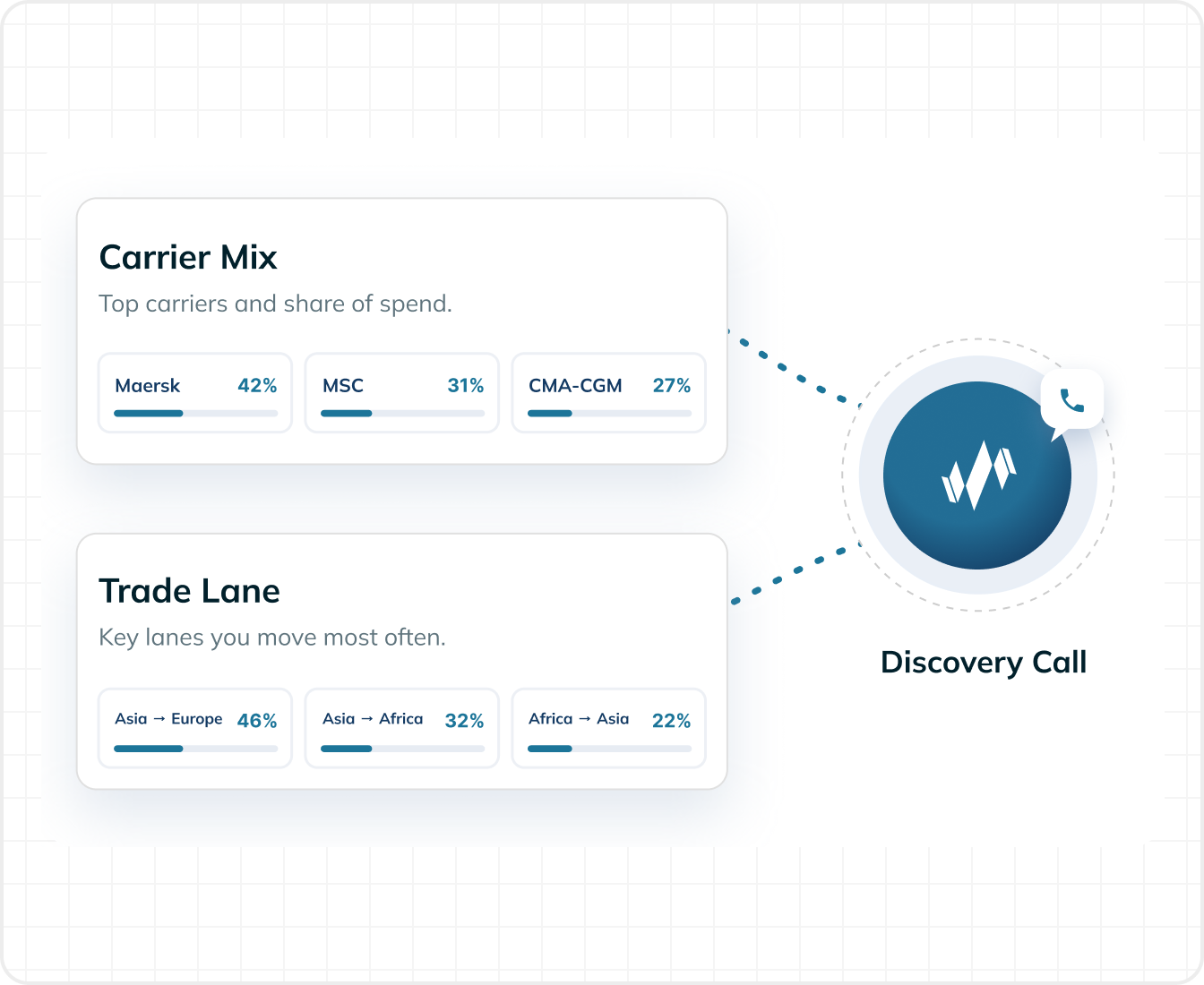

A short call to understand your carrier mix, the trade lanes you move, and the current systems you use.

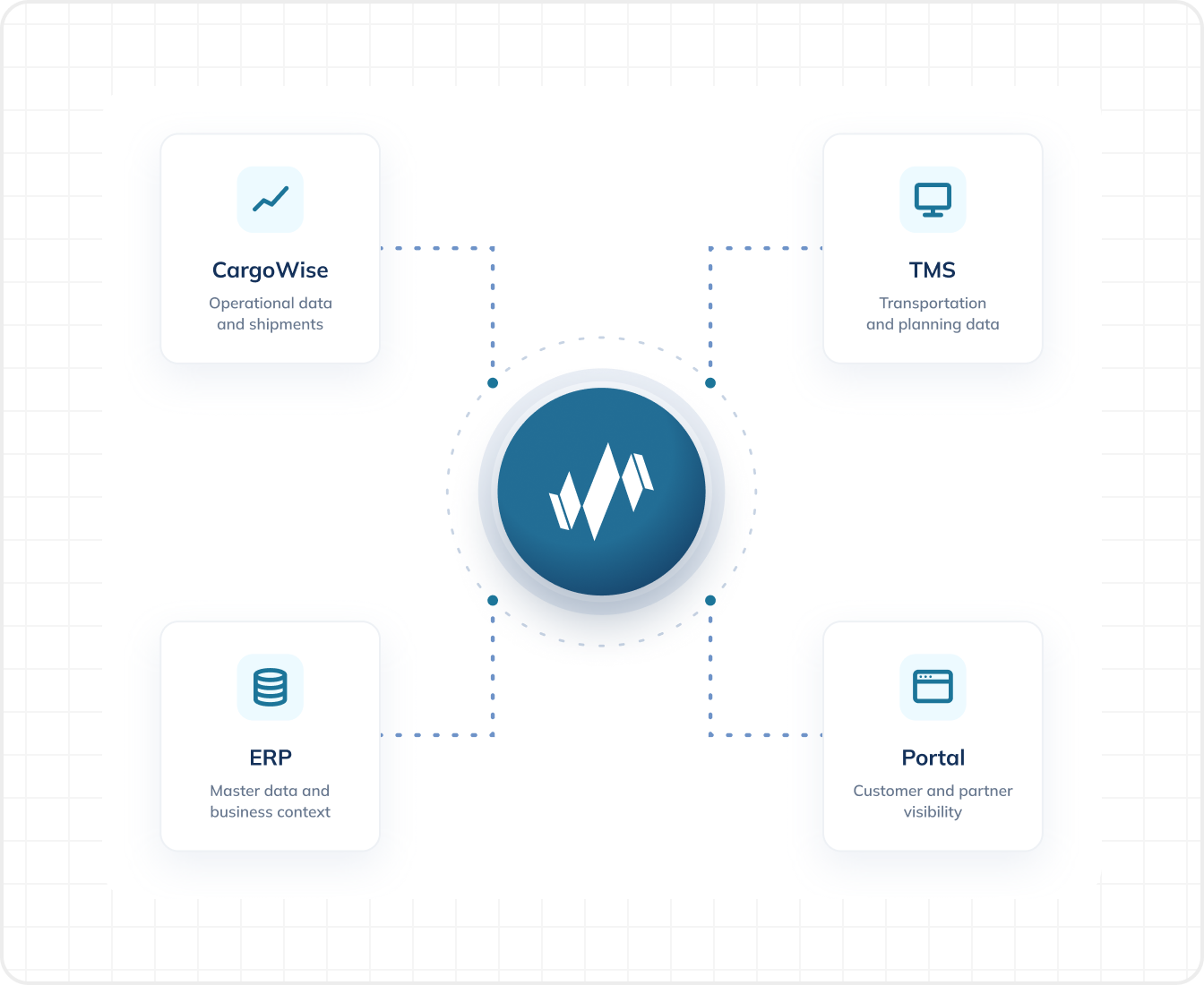
All data is available through our UI or API. Our tech team will work with your team to define the best setup. Portcast can also integrate historical data and connect with your ERP, TMS, CargoWise, or portal systems.

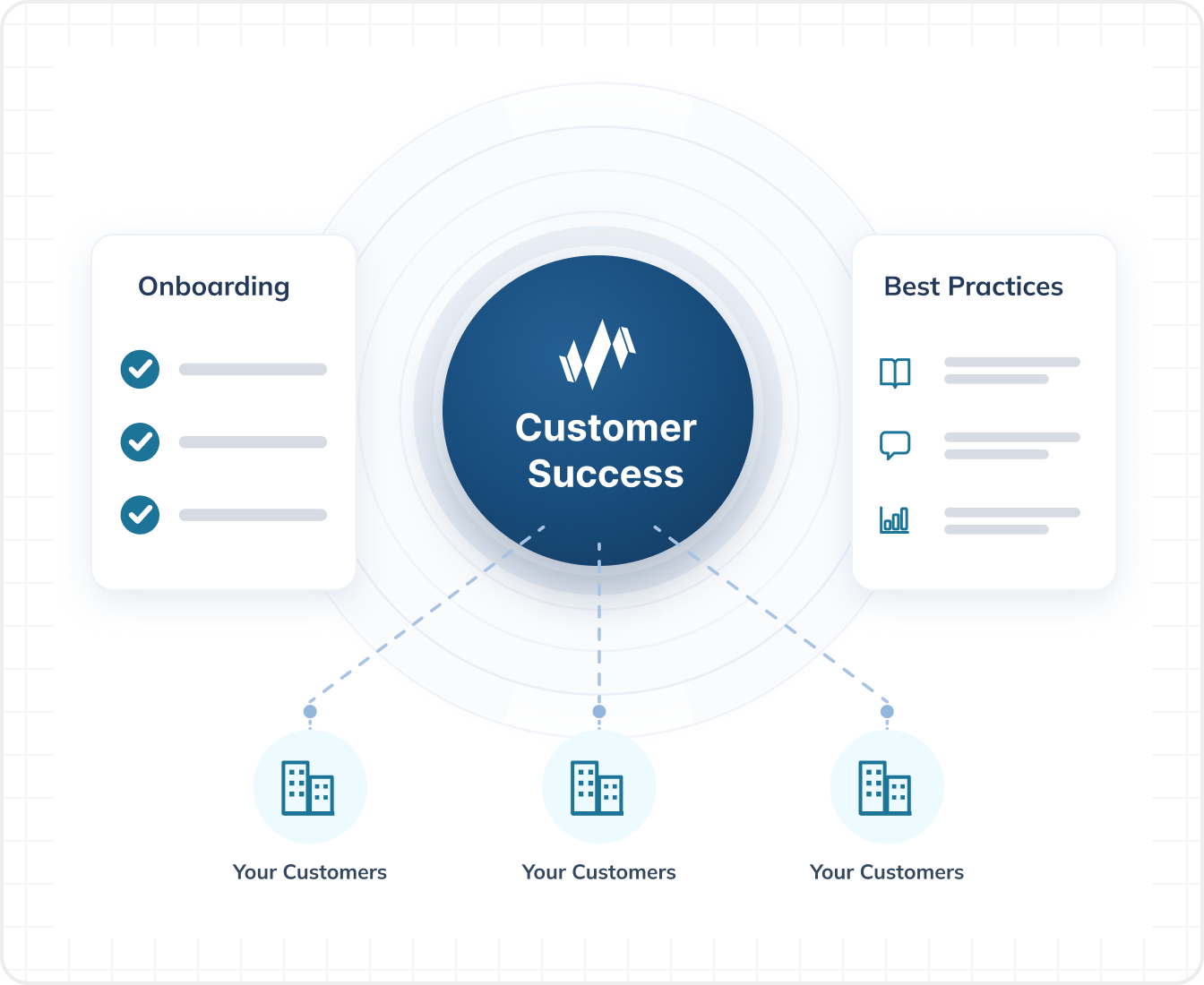
Our tech team will guide you through the API integration, while our Success team supports you throughout the process. Most integrations are completed in less than 2 weeks.
A global freight forwarder switched to get reliable predictive ETAs they could act on.
Predicted ETAs stayed reliable far earlier in the journey, reaching around 94% accuracy seven days before arrival, with dependable predictions as early as 14 days out.
Coverage expanded to 220+ carriers at 98% coverage, plus AIS and terminal-level visibility.
Exception management through Command Center, risk dashboards, and predictive alerts surfaced critical delays that were previously slipping through.
Fewer manual touchpoints, with the team no longer cross-checking carrier portals to fill visibility gaps.
Live in two weeks, with one week of technical integration and one week of testing, plus historical shipment data integrated from day one.
Questions? We have answers
What data sources power Portcast?
Ocean visibility runs on multiple direct carrier, terminal, vessel, and sailing-schedule integrations, with more than one source for each carrier. Portcast keeps shipments visible even when a single carrier does not provide data, giving you multiple perspectives on every container's movement.
Is switching from SeaRates to Portcast possible?
How long does migration from SeaRates take?
It depends on your carrier mix and where your data has to live, but teams typically move over in weeks, not months. A dedicated project team runs the rollout to clear milestones so nothing slips through the cracks during cutover.
Will my shipments go dark when SeaRates switches off?
No. Portcast runs on direct integrations across carriers, terminals, and vessels, so your visibility stays on while you move across. The goal is a cutover your operators barely feel.
How does Portcast fit into the systems we already use?
Portcast pushes container and terminal data straight into your existing stack, whether that is CargoWise, your TMS, ERP, or a customer portal, through REST APIs and webhooks. The team maps the fields and events your systems use today, so data lands where your team already works rather than in another tab.
What kind of onboarding support will we get?
A dedicated Customer Success team runs your onboarding, handles field mapping and integration, and shares best practices. You get a named team working the rollout with you, not a ticket queue.
How is Portcast different from a container tracking API?
An API delivers events. Portcast predicts arrivals typically 15% more accurately than carrier ETAs, tracks terminal deadlines like Last Free Day, surfaces risks before they escalate, audits your freight invoices, and shows carrier reliability on your own lanes. It is the work that happens after the event lands.
Do you cover my carriers?
Portcast covers 98% of carriers across 220+ shipping lines and NVOCCs. Send us your carrier mix, and we will confirm coverage and be honest about any gaps before you commit.
Don't let your visibility disappear with SeaRates.


