Mehrere Datenquellen auf einer Plattform vereint
Schluss mit der manuellen Verfolgung über Hunderte von Websites von Spediteuren. Die Portcast Container Tracking Plattform automatisiert die Echtzeit- und Vorhersagetransparenz für Ihre Fracht, so dass Sie immer wissen, wo sich Ihre Sendungen befinden.
Talk to our team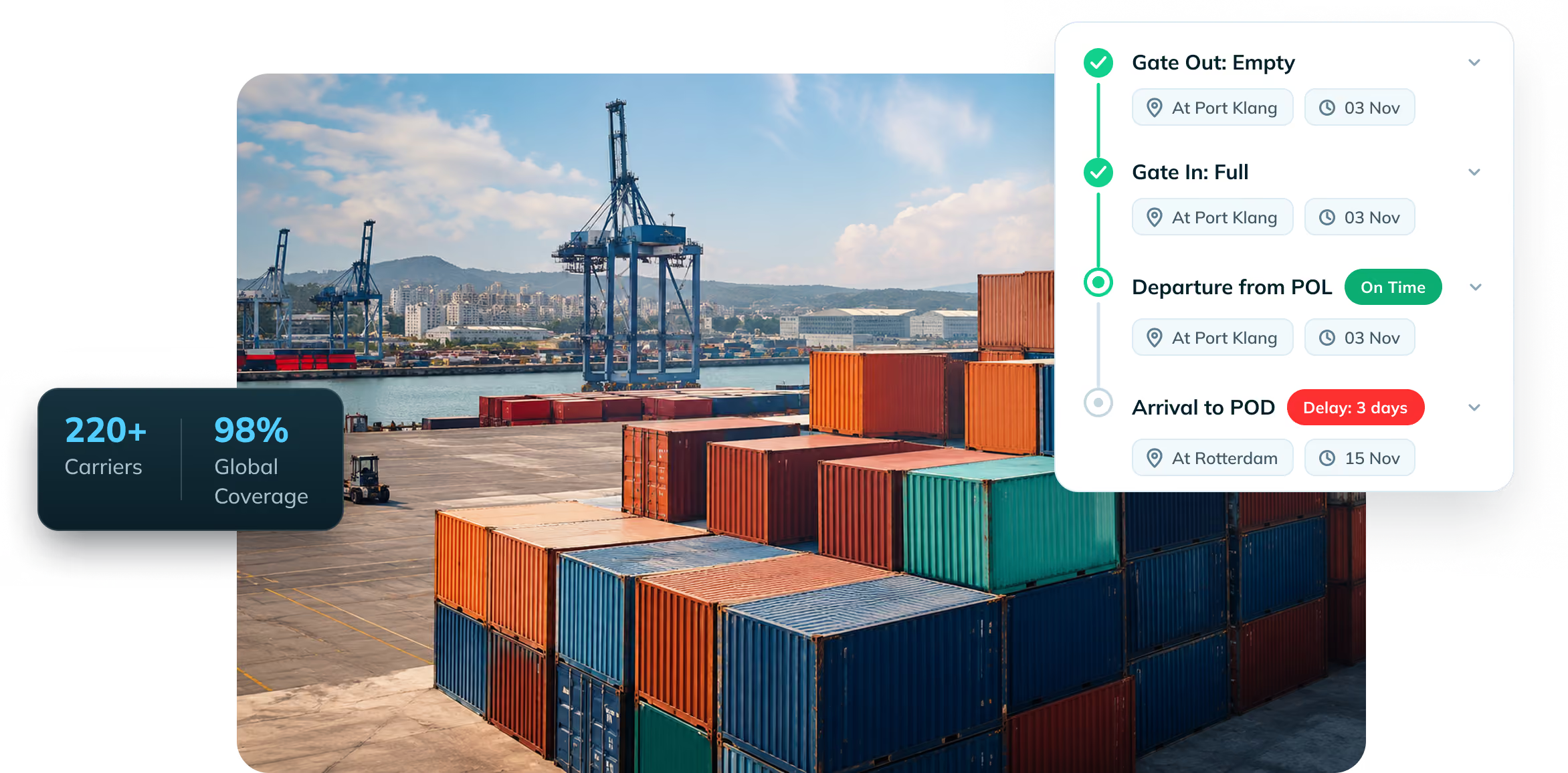








Einfaches Einrichten
Switching a live tracking setup, especially away from SeaRates, is one of the biggest concerns for any team. Your customer ETAs, internal reports, and portals all depend on reliable tracking data. Portcast connects directly to carriers, terminals, vessels, and sailing schedules, using multiple data sources to power, enrich, and validate carrier data. This avoids reliance on a single source and keeps your ocean visibility reliable and resilient.
And it goes beyond tracking data. Portcast turns that data into actionable intelligence for your teams. Here's what that means.
A feed tells you where your container is. Portcast tells you what to do next.
Predictive visibility
Portcast ETAs and ETDs are typically +15% more accurate than carrier estimates, even two to four weeks out. Portcast also flags the reason for each delay, so your team can act early and tell customers what is real.
Terminal visibility and D&D management
Get direct, more accurate terminal data alongside carrier data, with key import and export milestones including Early Receipt Date, Last Free Day, pickup availability, and holds. Get proactive D&D alerts so your team can prioritize pickups and avoid unnecessary costs.
Command Center
A live, exception-first dashboard that surfaces shipments needing attention, with color-coded risk cards and an interactive map to drill from ports or vessels to affected containers. Set thresholds for delays, transshipment idle time, and congestion, and link new risks directly to impacted shipments.
Logistics KPI dashboard
Completed voyages become carrier reliability and lane performance you can prove. Make allocation and procurement calls on real performance, not contract promises. Bring your historical data and benchmark performance over time.
AI agents
A team of agents that work across your live network and draft the next move for your approval: a ranked daily brief, lane-level carrier evidence, and routing ranked on reliability and cost. The agents do the work. You review and approve.
Freight audit
AI checks ocean invoices against contract rates, free time, and actual milestones, then flags overcharges with dispute-ready amounts. 99% extraction accuracy and up to 30% savings on freight spend.
Air freight tracking
Get standardised air freight milestones across 350+ airlines, from customs clearance to final delivery, in the same platform as your ocean shipments. Give customers accurate AWB ETAs and manage air and ocean from one place.
Air Telemetry Data
Enhance airline data with live aircraft telemetry to see what’s actually happening in the air. Get proactive departure and arrival notifications, and compare aircraft movements against airline data to identify and challenge discrepancies.
Built for forwarders, shippers and BCOs

We handle the switch from SeaRates, so your team doesn't feel it.
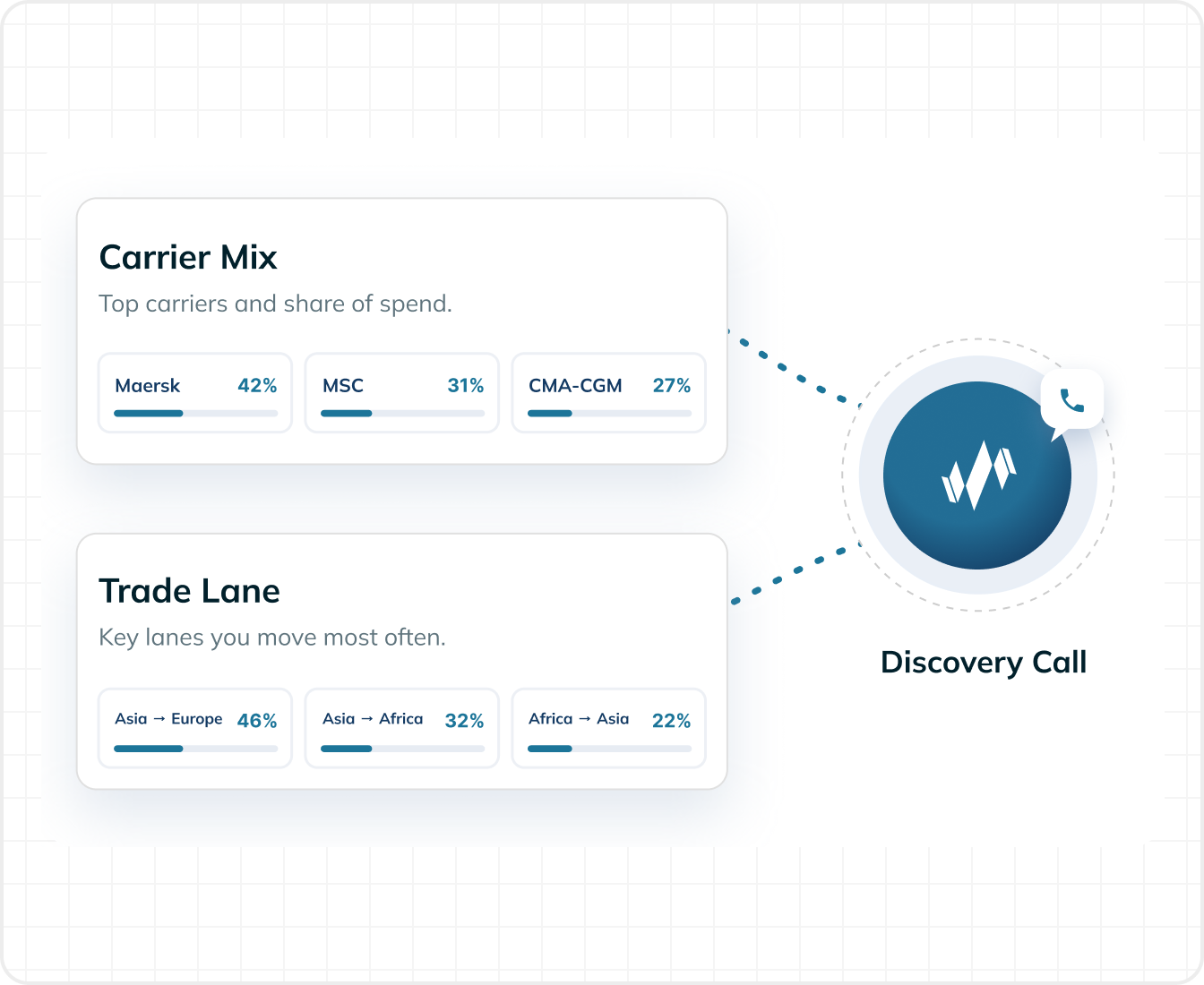

A short call to understand your carrier mix, the trade lanes you move, and the current systems you use.

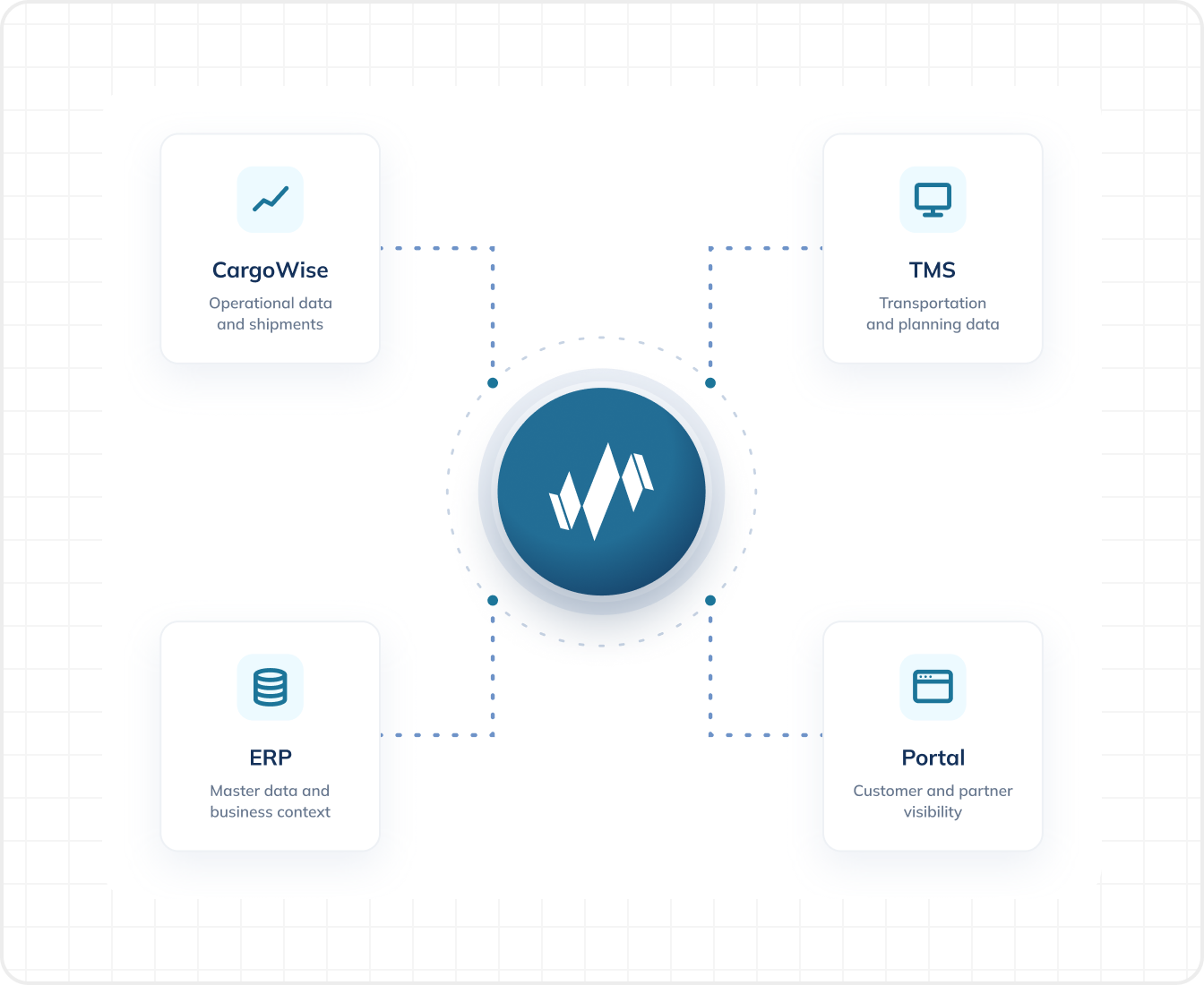
All data is available through our UI or API. Our tech team will work with your team to define the best setup. Portcast can also integrate historical data and connect with your ERP, TMS, CargoWise, or portal systems.

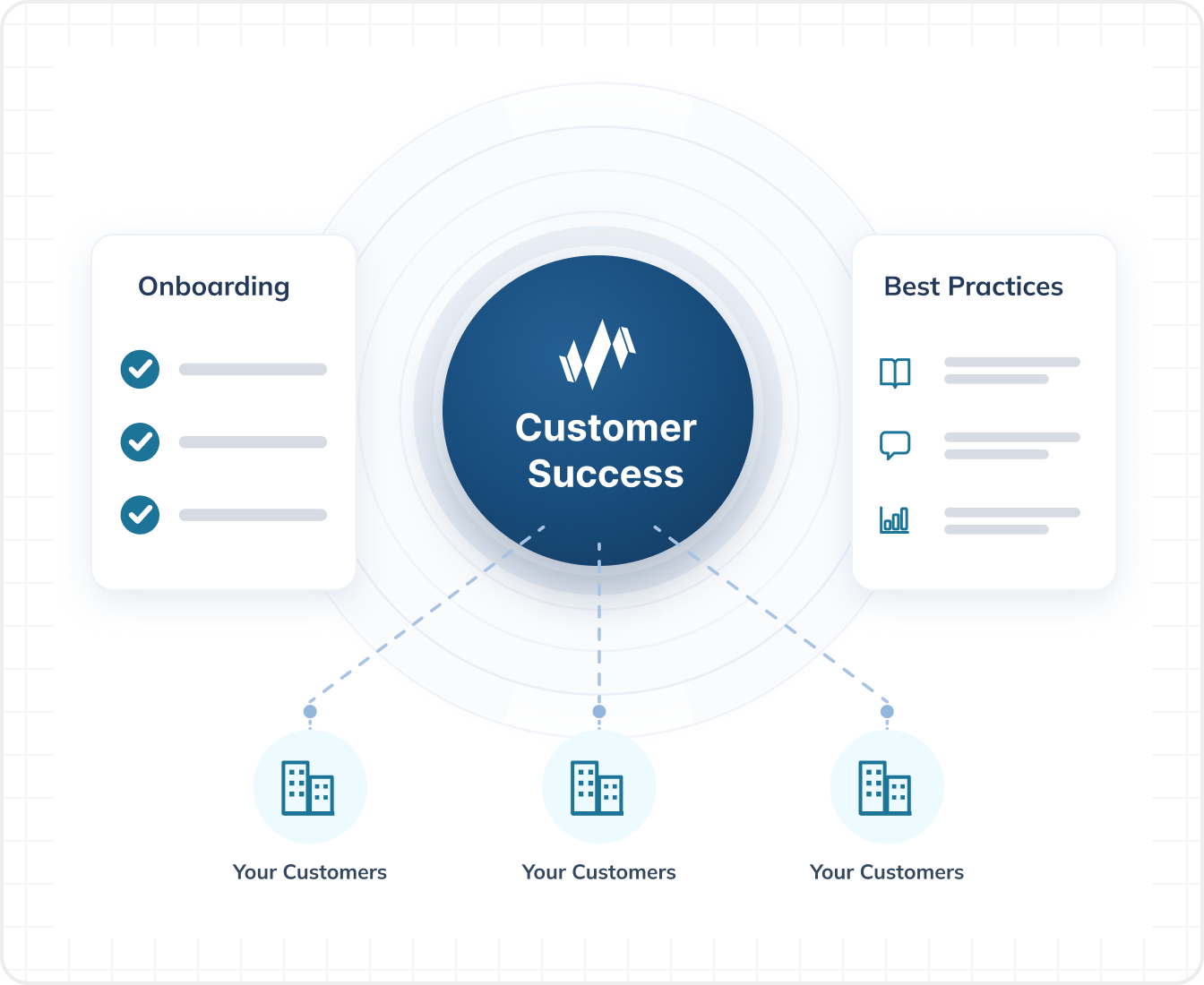
Our tech team will guide you through the API integration, while our Success team supports you throughout the process. Most integrations are completed in less than 2 weeks.
A global freight forwarder switched to get reliable predictive ETAs they could act on.
Predicted ETAs stayed reliable far earlier in the journey, reaching around 94% accuracy seven days before arrival, with dependable predictions as early as 14 days out.
Coverage expanded to 220+ carriers at 98% coverage, plus AIS and terminal-level visibility.
Exception management through Command Center, risk dashboards, and predictive alerts surfaced critical delays that were previously slipping through.
Fewer manual touchpoints, with the team no longer cross-checking carrier portals to fill visibility gaps.
Live in two weeks, with one week of technical integration and one week of testing, plus historical shipment data integrated from day one.
Häufig gestellte Fragen zum Portcast Real-Time Container Tracking Tool
Wie kann ich mit der Verfolgung von Containern beginnen, nachdem ich ein Konto erstellt habe?
Laden Sie Container per CSV hoch oder geben Sie manuell die Buchungsnummer, den Frachtbrief oder die Containernummer ein, um alle Ihre Sendungen an einem Ort zu verfolgen. Die Plattform unterstützt mehr als 100 Spediteure und NVOCCs.
Welche Spediteure und Regionen decken Sie ab?
Darüber hinaus decken wir mehr als 100 Frachtführer und NVOCCs ab. Die vollständige Liste können Sie hier einsehen. Das Beste daran ist, dass die Liste ständig wächst! Wenn der Spediteur, den Sie verfolgen möchten, nicht auf dieser Liste steht, lassen Sie es uns bitte wissen (unter support@portcast.io), und wir können uns darum kümmern, ihn hinzuzufügen.
Kann ich Ihre Daten in mein ERP-, WMS- oder anderes internes Tool integrieren?
Unsere Daten können über eine API in das System Ihrer Wahl integriert werden. Weitere Informationen über unsere API finden Sie auf unserer
Warum brauche ich prädiktive Sichtbarkeit?
Die prädiktive Sichtbarkeit informiert Sie über Risiken für Ihre Sendungen in Form von Verzögerungen, und zwar Tage im Voraus, damit Sie proaktiv Änderungen an Ihrer Lieferkette vornehmen können.Wir haben für unsere Kunden Ergebnisse in den folgenden Bereichen erzielt:
1. Verbesserte On-Time-In-Full-Leistung
2. Geringere Gebühren für Detention und Demurrage
3. Bessere Verkaufsversprechen: Höhere Kundenzufriedenheit bei den Kunden unserer Kunden
4. Bessere Planung der nachgelagerten Lieferkette
Welche verschiedenen Containerereignisse decken Sie ab?
Wir erfassen alle Meilensteine auf dem Weg eines Containers, von "leerer Container ausgeliefert" bis "leerer Container zurückgegeben", sowie Umschlagereignisse. Wir geben sowohl die rohen als auch die standardisierten Ereignisse an alle Spediteure weiter.
Wie stellen Sie die Datenqualität sicher?
Um die Datenqualität zu gewährleisten, haben wir die folgenden Schritte unternommen:
1. Wir haben Validierungen sowohl für die Eingabe- als auch für die Ausgabedaten entwickelt. Wenn es Unstimmigkeiten in den Daten gibt, kann unser System diese auf der Skala kennzeichnen.
2. Vervielfältigung der Daten: Für wichtige Daten erhalten wir dieselben Informationen aus mehreren Quellen, so dass Sie bei Widersprüchen die beste auswählen können.
3. Eingebaute Intelligenz: Mehrere Reedereien veröffentlichen den Fahrplan für jedes Schiff; unser System kann den zuverlässigsten Fahrplan ermitteln und verwendet diesen automatisch.
4. Der Mensch in der Schleife: Selbst bei all der oben genannten Intelligenz und Automatisierung schlüpfen einige Randfälle durch. Unsere Analyse überwacht alle ausgehenden Daten über verschiedene interne Dashboards und nimmt Korrekturen an den Randfällen vor.
Möchten Sie den Zugang für Ihr gesamtes Team einrichten?
Sobald Sie eines der Pakete erworben haben, erreichen Sie uns unter support@portcast.io. Einer unserer Mitarbeiter wird sich mit Ihnen in Verbindung setzen, um die Zugangsdaten für Ihre Teammitglieder zu bestätigen.
Welche Eingaben sind für die Nutzung der Container Tracking API erforderlich?
Die Portcast Container Tracking API bietet eine flexible Methode zum reibungslosen Hochladen Ihrer Container. Es gibt mehrere Möglichkeiten, Daten in unser System hochzuladen. Wählen Sie diejenige aus, die für Ihren betrieblichen Anwendungsfall am besten geeignet ist.
Um mit der Verfolgung über unseren API-Endpunkt zu beginnen, benötigen Sie eine der folgenden Voraussetzungen:
1. Verfolgen Sie die Sendung mit einer Kombination aus Buchungs- oder Frachtbriefnummer + Containernummer + Name des Transportunternehmens/SCAC-Code.
2. Nachverfolgung mit einer Kombination aus Buchungs- oder Frachtbriefnummer + Name des Transportunternehmens/SCAC-Code.
3. Verfolgen Sie die Sendung nur mit einer Containernummer. (Sie können den SCAC-Code ausschließen. Er ist optional, aber vorzuziehen).
Konsistenz ist immer am besten. Wählen Sie also eine Methode, auf die Sie sich bei der Integration unserer API durchgängig verlassen können. Im Zweifelsfall empfehlen wir Ihnen, unser Team von Integrationsingenieuren zu konsultieren, um die beste Implementierung (und geeignete Fallbacks) für Ihre individuellen Anforderungen zu finden.For more Weitere Informationen zu den Upload-Methoden finden Sie auf unserer
Don't let your visibility disappear with SeaRates.


