Supply Chain Resilience
Supply chain resilience is a supply chain's ability to anticipate, absorb, and recover from disruptions, whether a port closure, a supplier failure, a natural disaster, or a geopolitical shock, without a prolonged loss of service or output.
What Is Supply Chain Resilience?
Supply chain resilience is a supply chain's ability to anticipate, absorb, and recover from disruptions, whether that's a port closure, a supplier failure, a natural disaster, or a geopolitical shock, without a prolonged loss of service or output.
How Is Supply Chain Resilience Built?
Resilience comes from a combination of visibility (seeing disruptions early), flexibility (multiple suppliers, routes, or modes to fall back on), and buffer (safety stock or spare capacity that absorbs short-term shocks). Companies build it deliberately: diversifying supplier bases across regions, dual-sourcing critical materials, mapping multi-tier supplier dependencies, and investing in real-time visibility so problems are caught before they cascade.
Key Strategies for Supply Chain Resilience
- Supplier diversification and dual/multi-sourcing
- Nearshoring or reshoring critical production
- Real-time and predictive shipment visibility
- Strategic safety stock for critical inputs
- Supply chain mapping to understand multi-tier dependencies
- Scenario planning and stress-testing for major disruption types
Why Supply Chain Resilience Matters
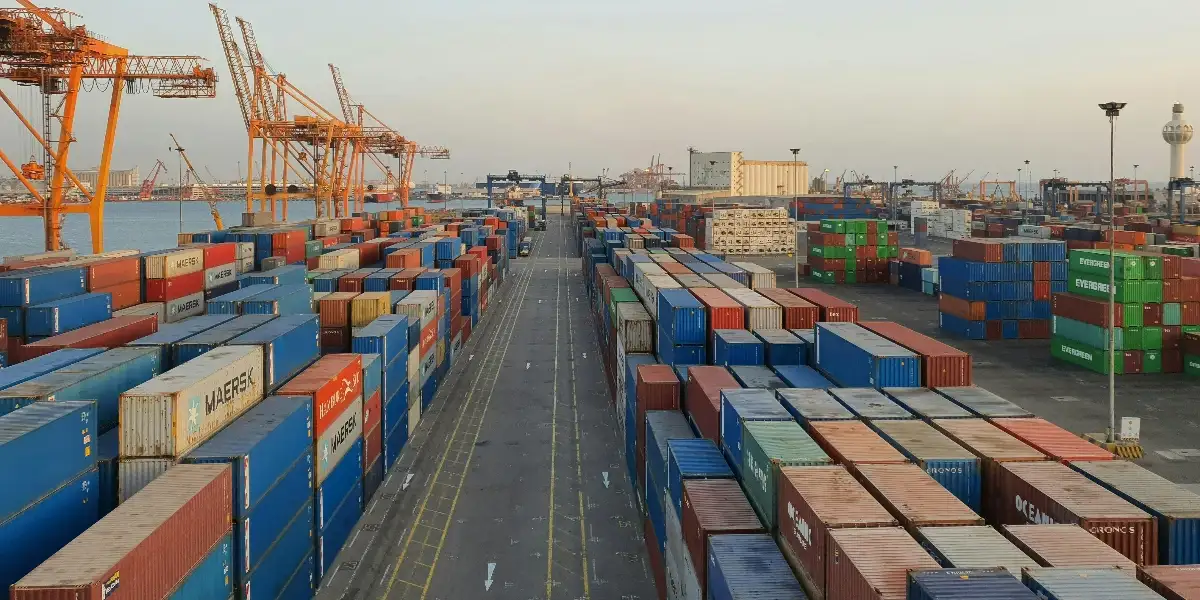
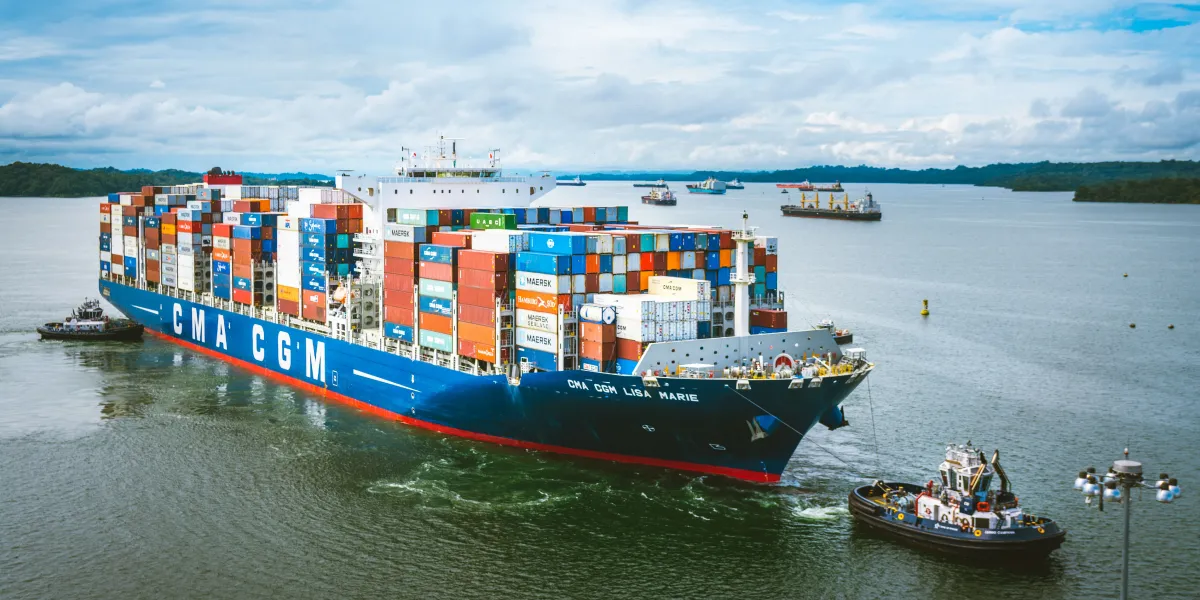
The past several years, port congestion, canal disruptions, pandemic-driven shortages, and shifting tariffs, have shown how quickly a lean, cost-optimized supply chain can break under stress. Resilience trades some cost efficiency for the ability to keep operating, and keep customer commitments, when disruption inevitably hits.
Latest Blog Updates


サプライチェーンをシームレスかつ効率的に


![[ロゴ]](https://cdn.prod.website-files.com/643006af9e6f61169be0dfb1/643006af9e6f611743e0dfee_Logo-Black-big.svg)
