Supply Chain Risk Management
Supply chain risk management (SCRM) is the systematic process of identifying, assessing, and mitigating risks that could disrupt the flow of goods, information, or finances through a supply chain.
What Is Supply Chain Risk Management?
Supply chain risk management (SCRM) is the systematic process of identifying, assessing, and mitigating risks that could disrupt the flow of goods, information, or finances through a supply chain.
How Does Supply Chain Risk Management Work?
SCRM typically follows a repeating cycle: identify potential risks (supplier failure, port congestion, geopolitical instability, natural disasters), assess their likelihood and potential impact, decide on mitigation strategies (dual sourcing, safety stock, alternate routes), and continuously monitor for early warning signs that a risk is materializing. It spans risks at every tier of the supply chain, not just direct, tier-1 suppliers.
Categories of Supply Chain Risk
- Supply risk: supplier failure, quality issues, capacity shortfalls
- Demand risk: sudden shifts in customer demand
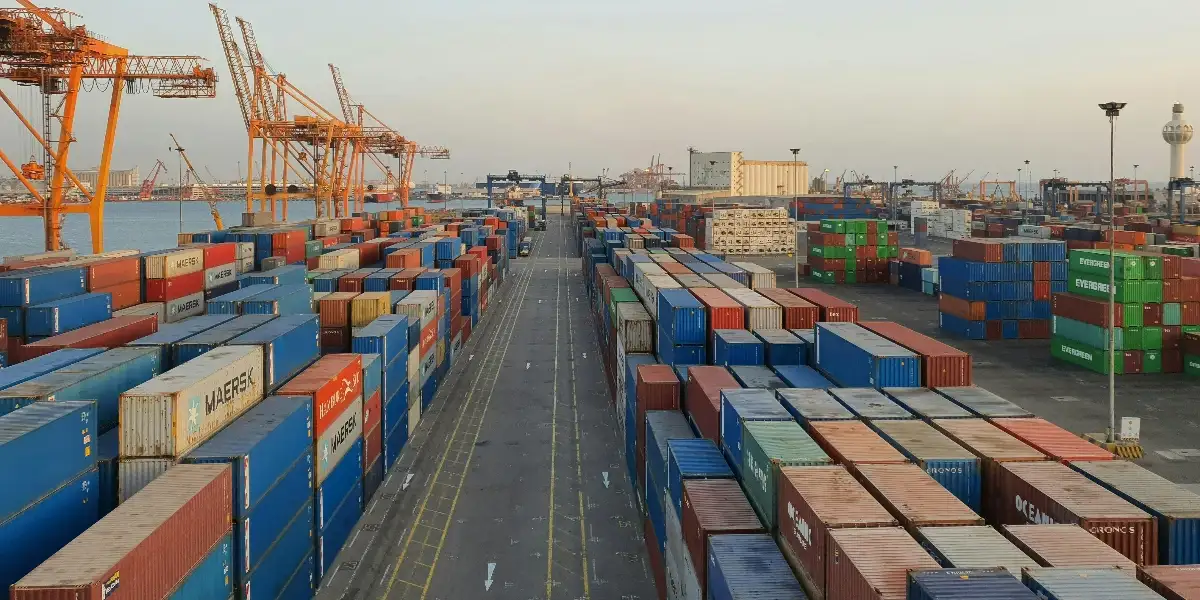
- Operational risk: equipment failure, labor shortages, port congestion
- Geopolitical/regulatory risk: tariffs, sanctions, trade policy shifts
- Environmental risk: natural disasters, extreme weather, climate-related disruption
Why Supply Chain Risk Management Matters
Companies without formal SCRM tend to discover risk only after it's already caused a disruption, a supplier shutting down, a shipment stuck for weeks. Formal SCRM builds in the visibility and contingency planning needed to catch risk signals early and respond with days or weeks of lead time instead of reacting after the fact.
Latest Blog Updates


サプライチェーンをシームレスかつ効率的に


![[ロゴ]](https://cdn.prod.website-files.com/643006af9e6f61169be0dfb1/643006af9e6f611743e0dfee_Logo-Black-big.svg)
