Severe Port Congestion in Asia Expected to Persist for 10 Months
What Happened?
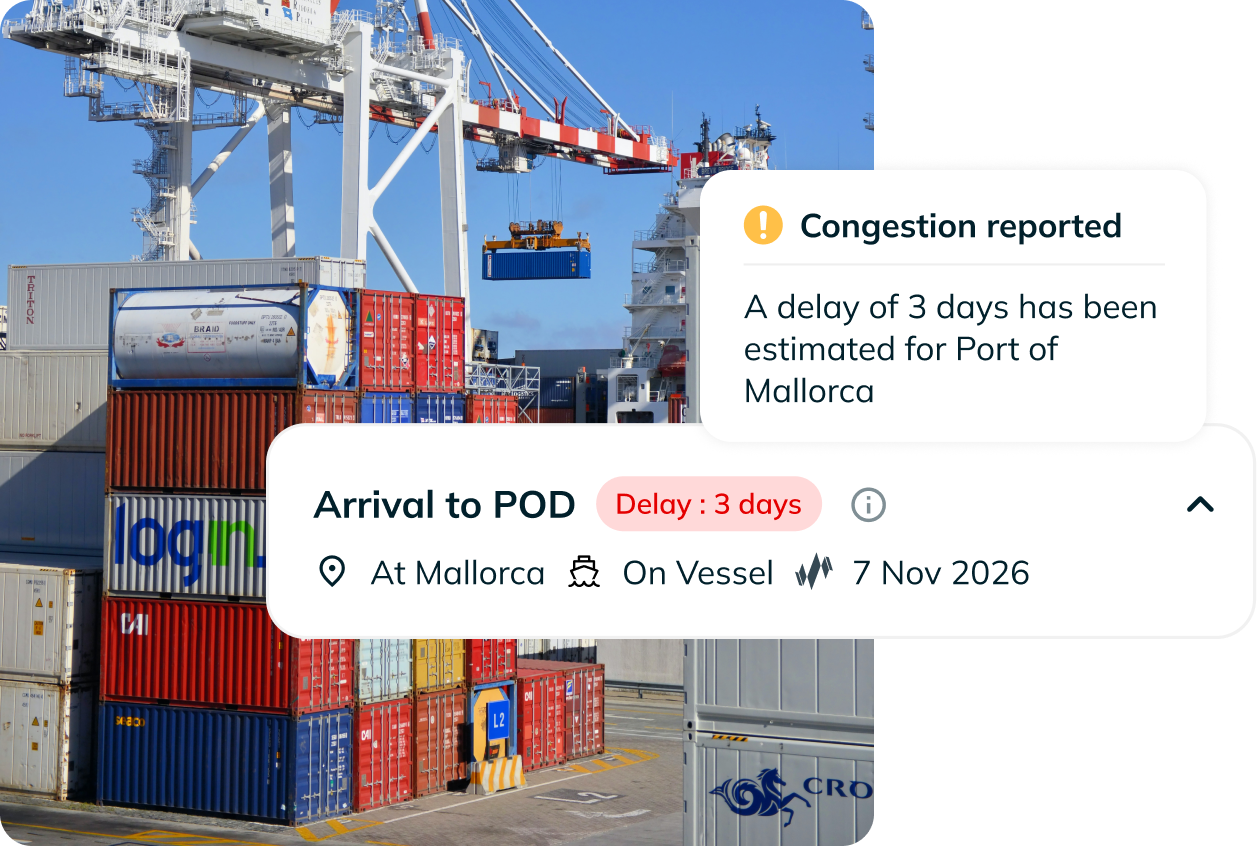
Severe container congestion in Asia, initially triggered by typhoons, has evolved into a prolonged supply-chain disruption that analysts predict could persist into 2027. The bottlenecks are causing cascading delays, removing significant effective capacity from the market and driving intra-Asia freight rates to record highs. Recovery is expected to be slow, with the disruption likely to impact the pre-Chinese New Year cargo rush in February 2027.
KEY HIGHLIGHTS

Published date
October 2, 2026
Effective from
September 28, 2026

Advisory category
port_disruption

Affected Trade lanes
Intra-Asia
Who is Affected?
Shippers, freight forwarders, BCOs, and logistics operations teams managing container shipments to and from Asian ports are directly impacted by the prolonged congestion.
Source:
NewsMonitor port congestion
See Congestion Before It Impacts Your Cargo
Monitor vessel queues, anchorage delays, and congestion levels across global ports. Stay ahead of disruptions and plan proactively.
Turn Supply Chain Visibility into Cost Control
Monitor vessel queues, anchorage delays, and congestion levels across global ports. Stay ahead of disruptions and plan proactively.
Talk to our experts →

