Dry Port
A dry port is an inland intermodal terminal directly connected to a seaport by rail or road, functioning as an extension of the seaport where containers can be processed, stored, and cleared through customs away from the coast.
What Is a Dry Port?
A dry port is an inland intermodal terminal directly connected to a seaport by rail or road, functioning as an extension of the seaport where containers can be processed, stored, and cleared through customs away from the coast.
How Does a Dry Port Work?
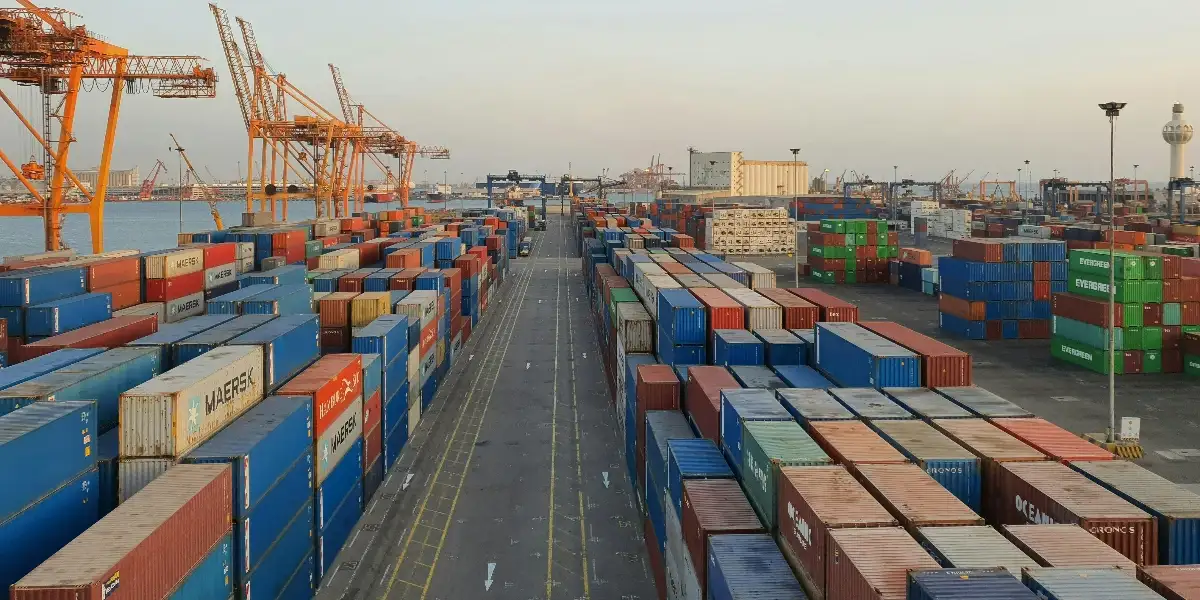
Containers are moved from the seaport to the dry port by rail or truck shortly after discharge, freeing up congested port terminal space faster. Once at the dry port, containers can be stored, customs-cleared, and distributed to their final inland destination, functioning much like a seaport terminal but located further inland, closer to major population or industrial centers.
Why Dry Ports Matter
Dry ports help relieve congestion at busy seaports by moving containers off the terminal faster, and they reduce trucking distances for inland destinations by shifting more of the inland leg onto rail. As port congestion has become a more frequent disruption, dry ports have become an increasingly important part of network resilience for high-volume importers.
Latest Blog Updates


Make Your Supply Chains Seamless and Efficient


