Port Congestion
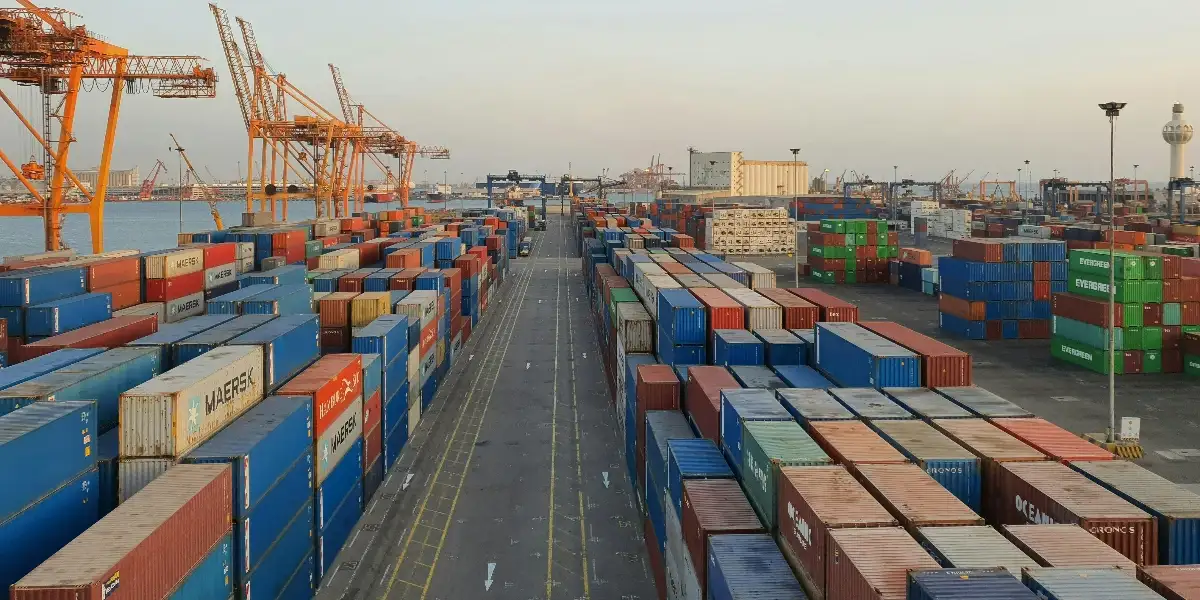
Port congestion occurs when the volume of vessels, containers, or cargo at a port exceeds its capacity to process them efficiently, resulting in delays for vessel berthing, container unloading, and cargo pickup.
What Is Port Congestion?
Port congestion occurs when the volume of vessels, containers, or cargo at a port exceeds its capacity to process them efficiently, resulting in delays for vessel berthing, container unloading, and cargo pickup.
How Does Port Congestion Happen?
Congestion can be caused by a surge in shipping volume (e.g., peak season or demand spikes), labor shortages or strikes, equipment or chassis shortages, weather disruptions, or ripple effects from disruptions elsewhere in the network (like blank sailings or rerouted vessels bunching up at a port). Once a port falls behind, delays tend to compound, ships wait longer to berth, containers pile up in the yard, and trucking capacity gets stretched thin.
Why Port Congestion Matters
Congestion directly extends transit and dwell times, increases the risk of missed free time windows and demurrage charges, and makes schedules unreliable across the board. Shippers with visibility into congestion at key ports can adjust routing, timing, or inventory buffers before disruption hits their own operations.
Latest Blog Updates


Make Your Supply Chains Seamless and Efficient


