pop-up eventclose

Track Containers in Real Time, Alongside 220+ Global Carriers in One Platform.

Track shipments by container number, booking number, or bill of lading. Monitor container milestones, vessel schedules, and predictive ETA updates while gaining visibility across 220+ ocean carriers in a single platform.

BOOK A QUICK CALL WITH OUR TEAM
We'll show you live tracking on Portcast, explain how predictive ETAs and exception alerts work, and discuss how to improve visibility across your shipment network.
TRUSTED BY THESE TEAMS AND MANY MORE
freshco logoait logo
start logowilo logowalter logooocl logoagc logoneelevat logo
Fairfreight Lines Container Tracking Tool

About Shipping

Fairfreight Lines operates as an international Non-Vessel-Operating Common Carrier (NVOCC) and specialized ISO tank provider, managed out of India and Dubai under the joint corporate umbrella of Saurashtra Freight and Kamigumi Co., Ltd. They utilise specialised equipment and slot agreements to handle containerised liquid logistics and freight forwarding. Portcast integrates with Fairfreight Lines tracking to deliver real-time container visibility and automated status updates for logistics teams managing specialised cargo across these corridors.
Founded Year
1968
FLEET SIZE
500
TEU capacity
50,000
Regions served
Asia, Europe, Af...

Track Alongside 220+ Global Carriers

Most supply chains rely on multiple ocean carriers, not just . Portcast brings all your shipments into a single platform, providing container tracking, predictive ETA updates, delay alerts, and performance insights across your entire carrier network.
Explore 220+ Supported Carriers →

Track Alongside 220+ Global Carriers

Most supply chains rely on multiple ocean carriers, not just . Portcast brings all your shipments into a single platform, providing container tracking, predictive ETA updates, delay alerts, and performance insights across your entire carrier network.
Book a 30-Minute Demo →

How it works

Track, Predict, and Manage Shipments in 3 Steps

Bring Your Shipments Into One Platform
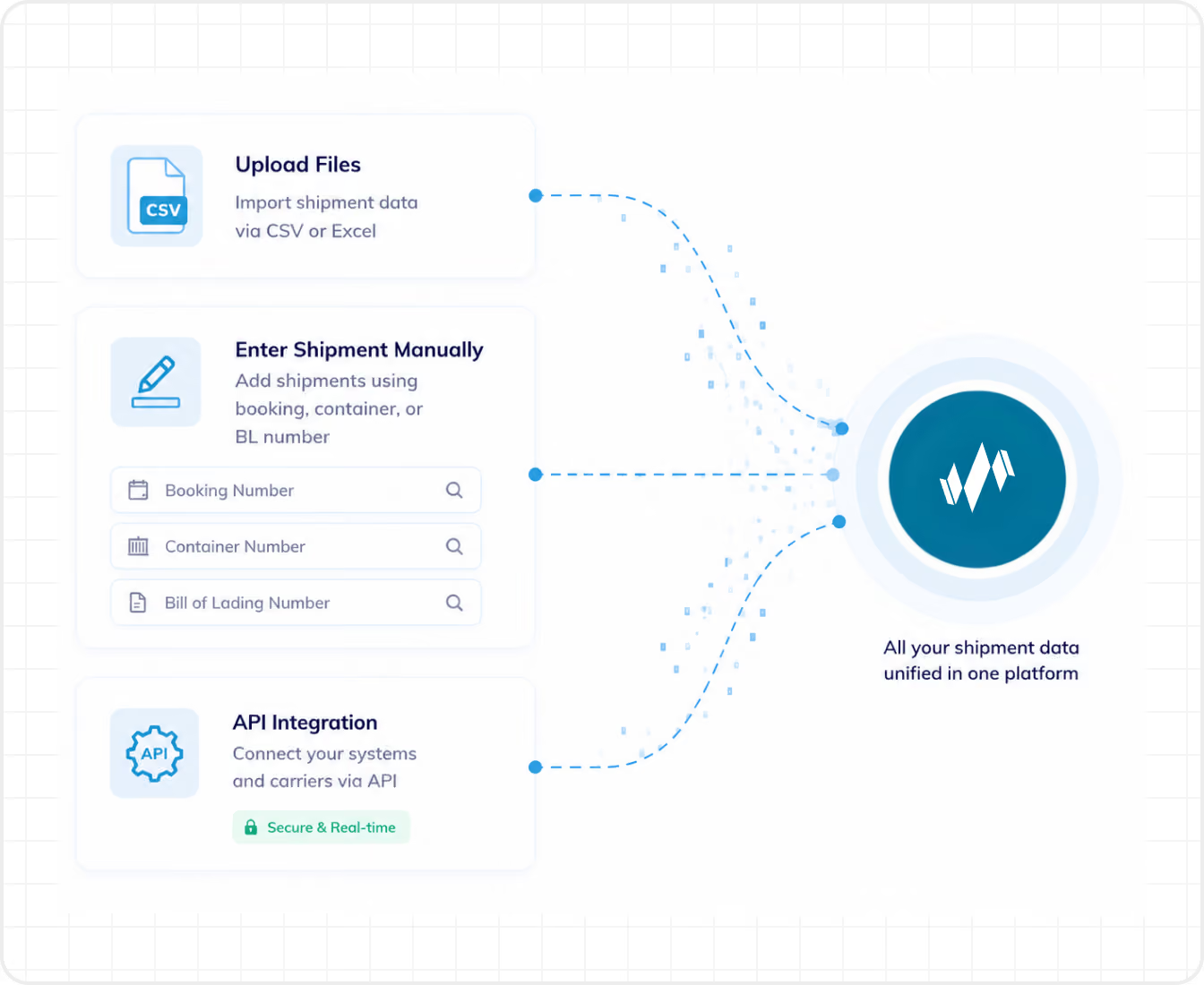
Import shipments via CSV, track using Booking, Bill of Lading, or Container Numbers, or integrate directly through APIs. Portcast automatically aggregates tracking data across  and 220+ ocean carriers in a single platform.
Gain End-to-End Shipment Visibility
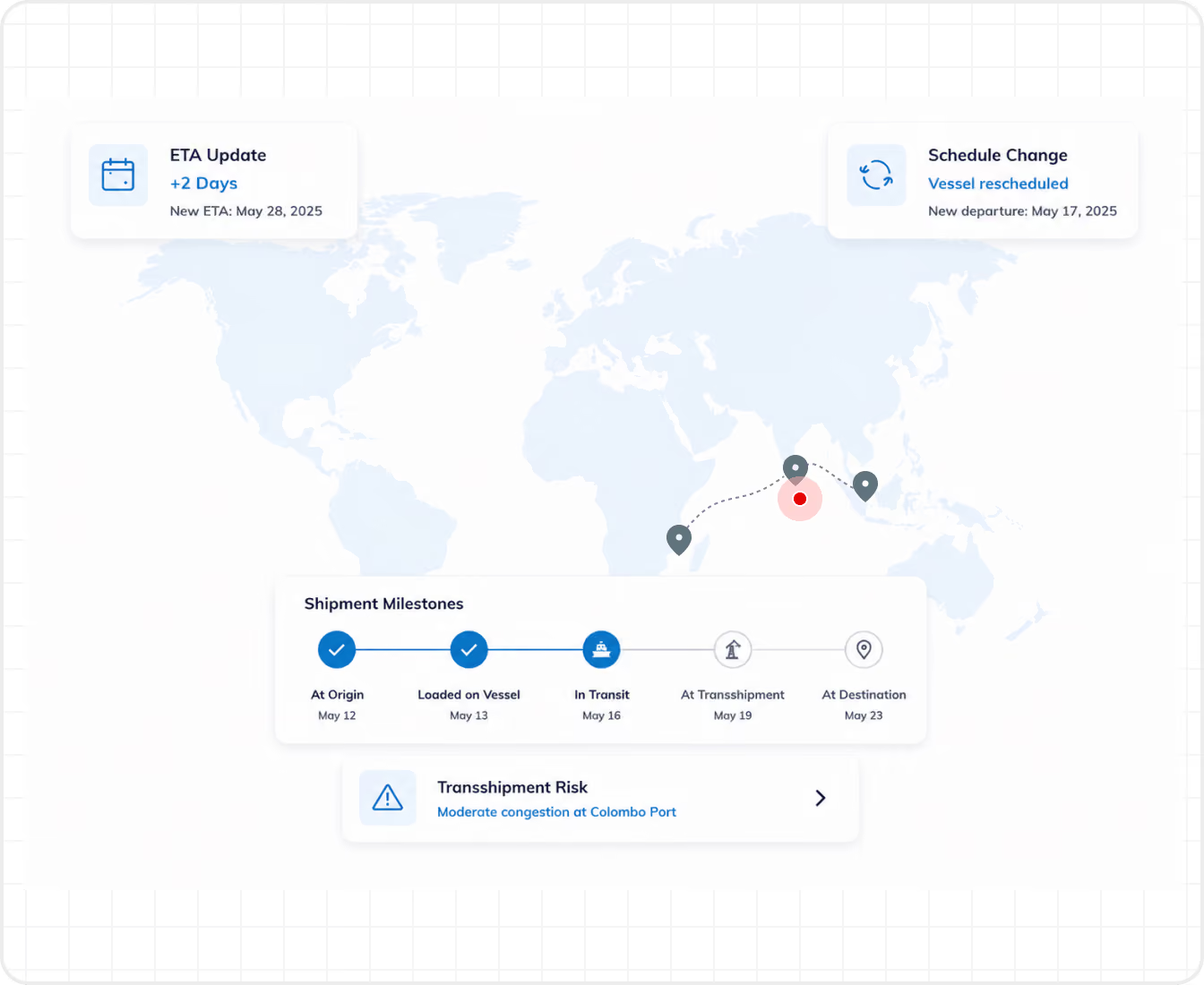
Monitor container milestones, vessel movements, transshipments, and schedule changes in real time. Access a unified view of your shipments across carriers, trade lanes, and regions.
Stay Ahead of Delays and Exceptions
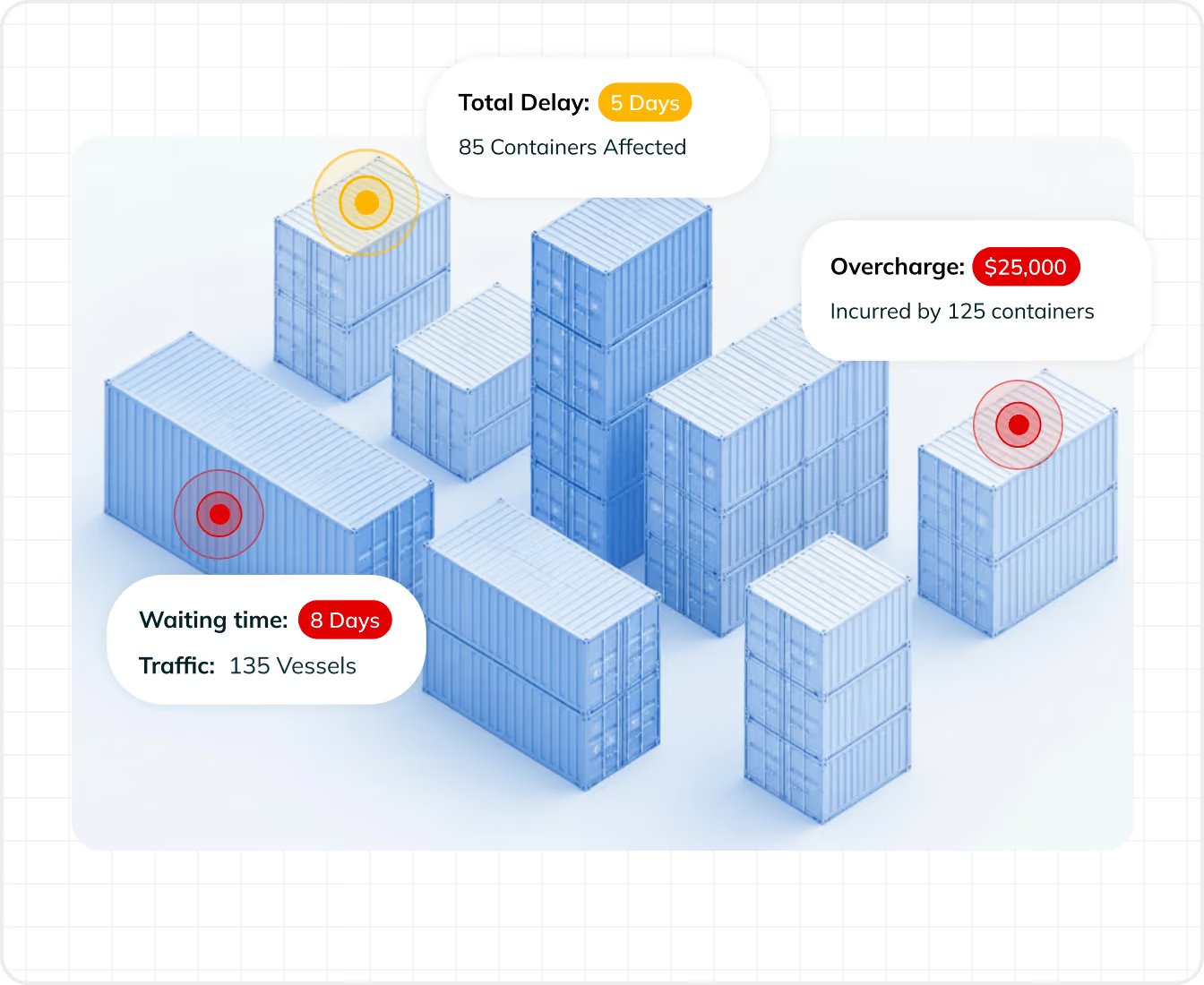
Receive predictive ETA updates and automated alerts for shipment delays, rollovers, port congestion, and other disruptions. Act early and keep your supply chain moving with confidence.
SUPPLY CHAIN VISIBILITY PLATFORM

Container Tracking Is Just the Beginning. What Happens Next?

Tracking a shipment is only one piece of the visibility puzzle. Portcast connects container tracking data with operational workflows, performance analytics, and freight spend management, helping teams move from monitoring shipments to improving supply chain performance.
Operational Visibility

Command Center

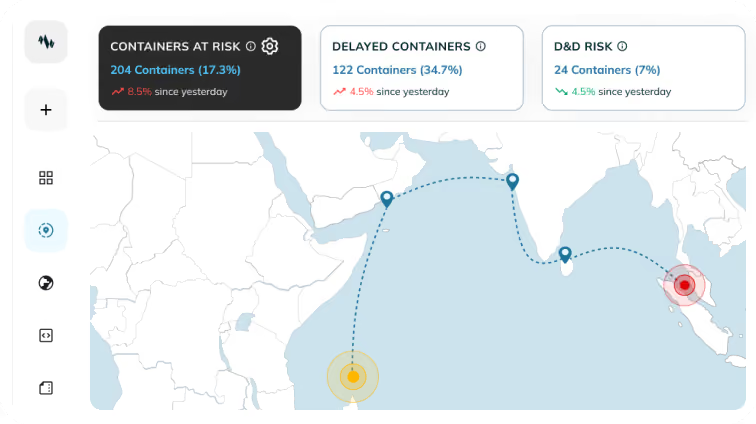
Get an exception-first view of every active shipment across and 220+ global carriers. Configure risk thresholds, monitor delays, identify idle dwell time, and manage your operations from a single platform instead of multiple carrier portals.
Carrier Performance Analytics

KPI Dashboard

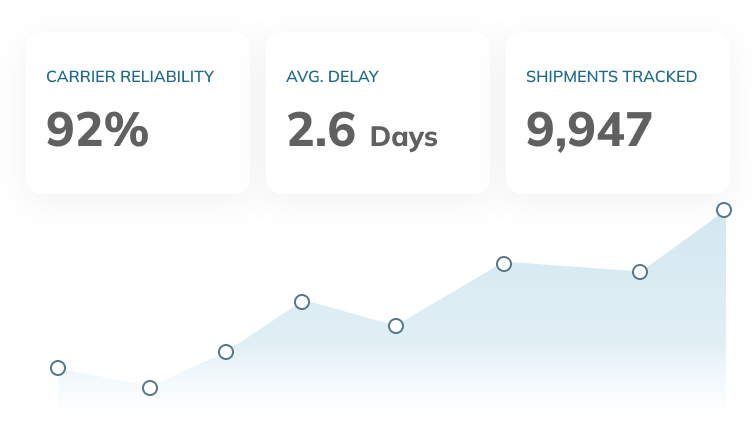
Understand how performs across your trade lanes and benchmark it against other carriers in your network. Analyze transit times, schedule reliability, and delay patterns to make more informed decisions on carrier allocation and procurement.
Cost Control

Freight Audit

Identify invoice discrepancies, detention and demurrage exposure, and unexpected freight charges related to your shipments before they impact your margins. Portcast automatically matches shipment events against invoices and flags potential issues for review.
One Platform for Visibility, Performance, and Cost Control

Monitor shipments, manage exceptions, analyze carrier performance, and audit freight invoices from a single platform built for modern supply chain teams.

Frequently Asked Questions

Any other question that isn’t mentioned? Don't hesitate to get in touch.

Does Portcast cover all container types and trade lanes?

Yes. Portcast tracks containers globally, including both Full Container Load (FCL) and Less-than-Container Load (LCL) shipments across all major trade lanes served by

What shipment data does Portcast provide for containers?

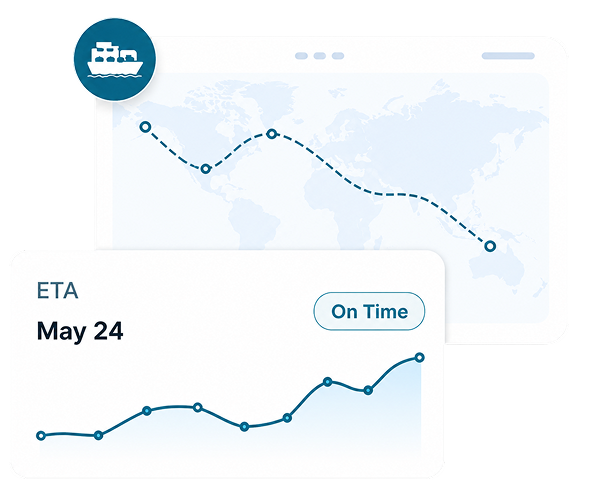
Portcast provides end-to-end visibility into  shipments, including container milestones, transshipment events, vessel schedules, real-time vessel positions, and predictive ETA and ETD updates. Users can access both carrier-provided events and Portcast-standardized milestones for a consistent tracking experience.

How accurate are Portcast's predictive ETAs compared to 's published ETAs?

Portcast uses machine learning models that analyze vessel movements, historical performance, port congestion, weather conditions, and schedule changes to generate predictive ETAs. This helps provide more reliable arrival time estimates and earlier visibility into potential delays compared to relying solely on published carrier schedules.

Can I track shipments using Container, Booking, or Bill of Lading numbers?

Yes. Portcast supports tracking shipments using a Container Number, Booking Number, or Bill of Lading (B/L) Number. Shipments can also be uploaded in bulk via CSV or integrated automatically through APIs.

Can Portcast integrate tracking data into our TMS, ERP, or internal systems?

Yes. Portcast can integrate tracking data with transportation management systems (TMS), enterprise resource planning (ERP) platforms, warehouse management systems (WMS), and other internal tools through APIs and integration workflows, enabling visibility across your supply chain ecosystem.

What's the difference between using the website and Portcast?

The website provides tracking information for shipments moving with . Portcast extends this visibility by tracking   alongside 220+ global carriers in a single platform, while also providing predictive ETAs, automated exception alerts, shipment analytics, and API-based data integration.

Is there a minimum shipment volume required to use Portcast for tracking?

Portcast supports organizations of various sizes, from growing logistics teams to large enterprises. Whether you're tracking a handful of shipments or managing high container volumes across multiple carriers, Portcast offers solutions designed to scale with your operational requirements.

How quickly can we get started with  tracking on Portcast?

Getting started is straightforward. Teams can begin tracking shipments by uploading container, booking, or bill of lading numbers. For organizations requiring API integrations or system connectivity, implementation timelines typically range from 2 to 3 weeks and depend on the complexity of the integration requirements.