

Track Containers in Real Time, Alongside 220+ Global Carriers in One Platform.
Track shipments by container number, booking number, or bill of lading. Monitor container milestones, vessel schedules, and predictive ETA updates while gaining visibility across 220+ ocean carriers in a single platform.


About Shipping


Track Alongside 220+ Global Carriers






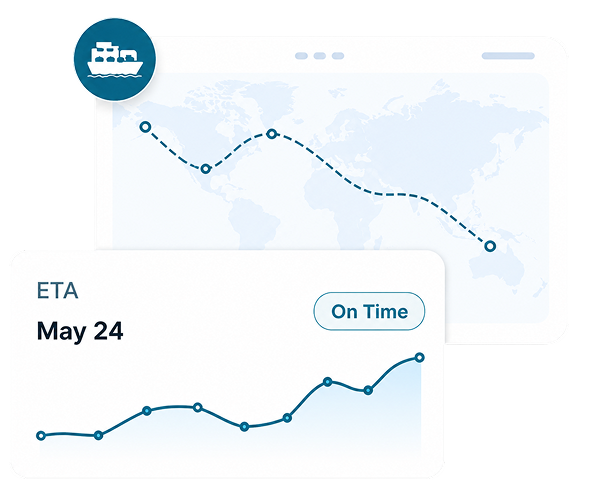
Track Alongside 220+ Global Carriers


How it works
Track, Predict, and Manage Shipments in 3 Steps
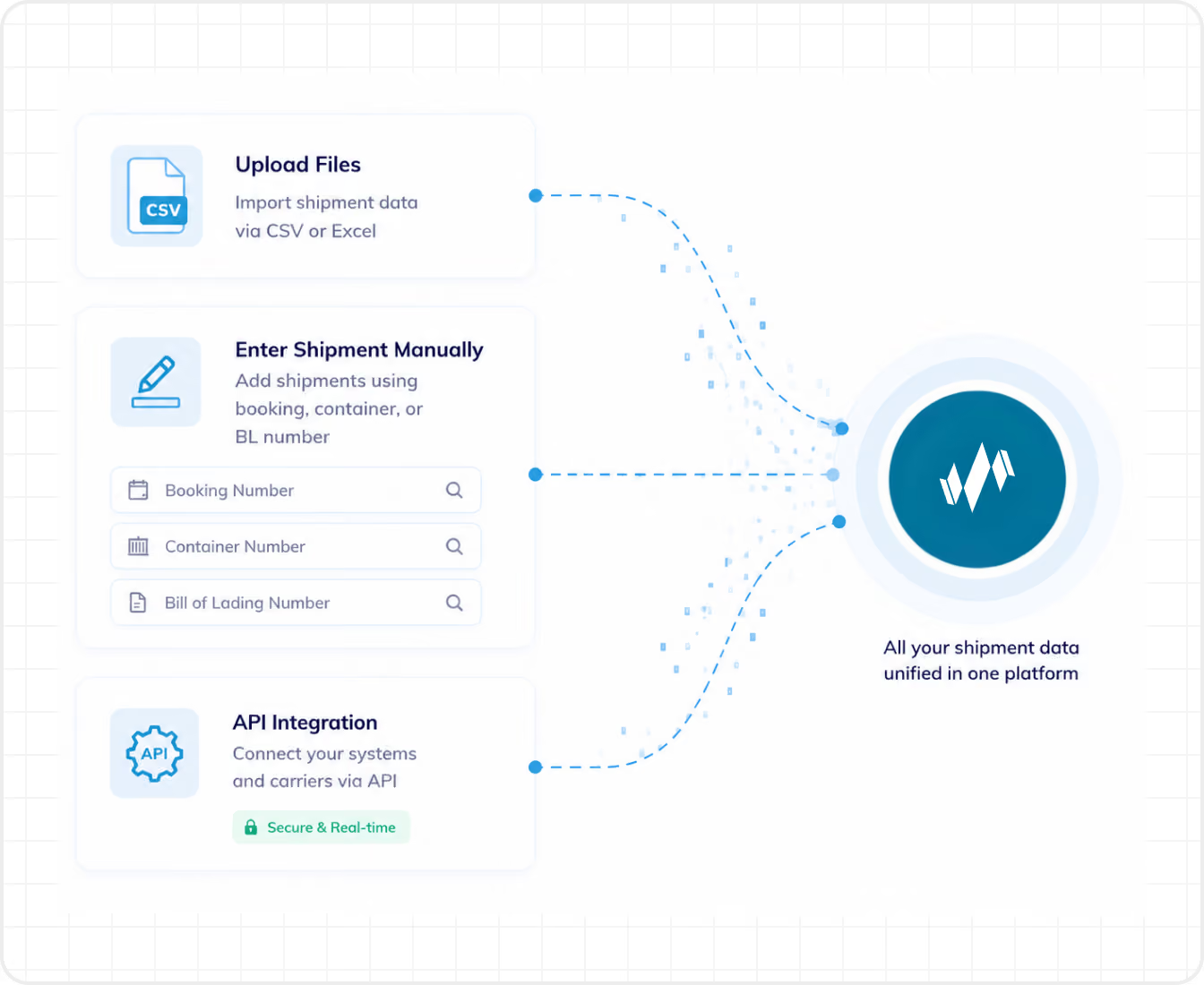

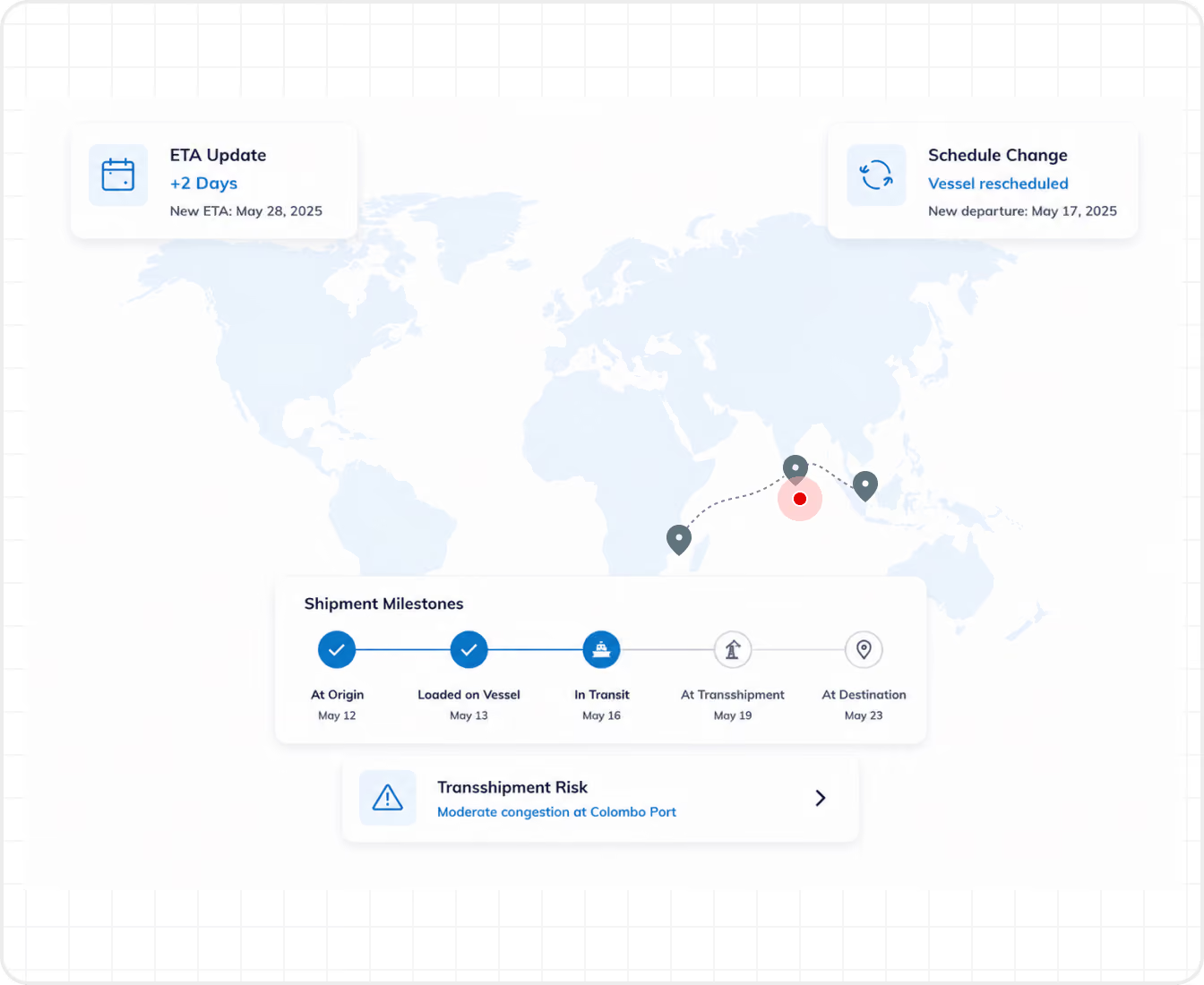
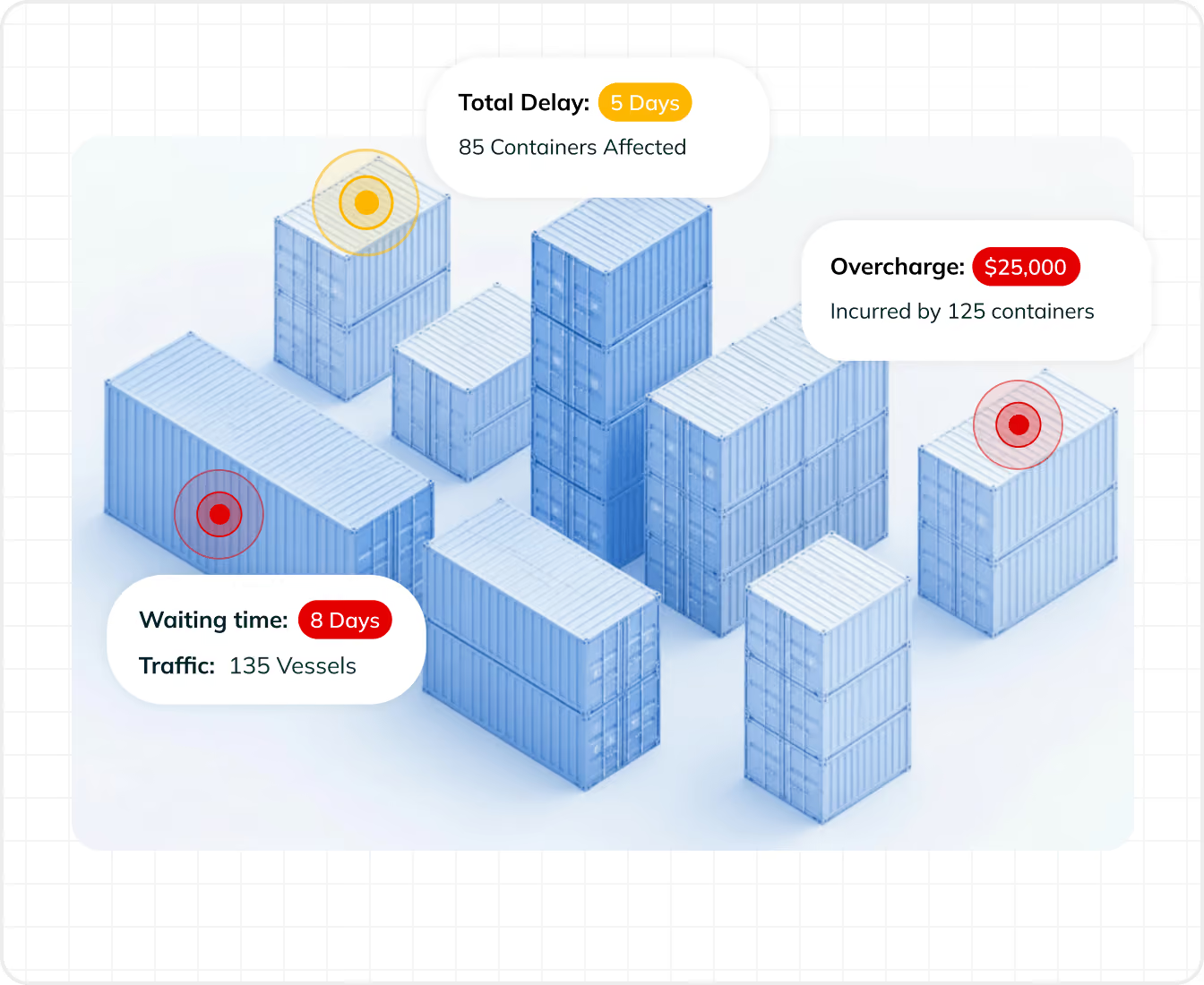
Container Tracking Is Just the Beginning. What Happens Next?
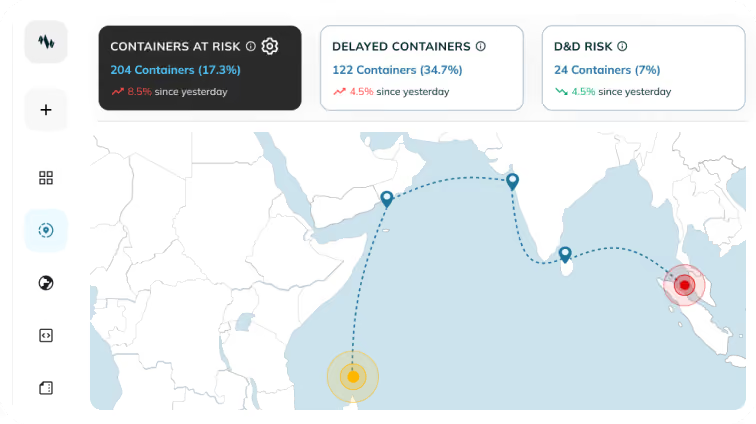
Command Center
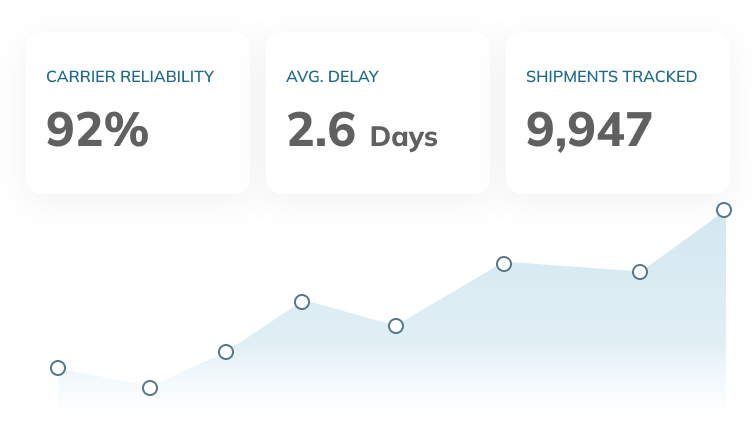
KPI Dashboard
Freight Audit
.png)
Monitor shipments, manage exceptions, analyze carrier performance, and audit freight invoices from a single platform built for modern supply chain teams.
Frequently Asked Questions
Does Portcast cover all container types and trade lanes?
Yes. Portcast tracks containers globally, including both Full Container Load (FCL) and Less-than-Container Load (LCL) shipments across all major trade lanes served by
What shipment data does Portcast provide for containers?
How accurate are Portcast's predictive ETAs compared to 's published ETAs?
Portcast uses machine learning models that analyze vessel movements, historical performance, port congestion, weather conditions, and schedule changes to generate predictive ETAs. This helps provide more reliable arrival time estimates and earlier visibility into potential delays compared to relying solely on published carrier schedules.
Can I track shipments using Container, Booking, or Bill of Lading numbers?
Yes. Portcast supports tracking shipments using a Container Number, Booking Number, or Bill of Lading (B/L) Number. Shipments can also be uploaded in bulk via CSV or integrated automatically through APIs.
Can Portcast integrate tracking data into our TMS, ERP, or internal systems?
Yes. Portcast can integrate tracking data with transportation management systems (TMS), enterprise resource planning (ERP) platforms, warehouse management systems (WMS), and other internal tools through APIs and integration workflows, enabling visibility across your supply chain ecosystem.
What's the difference between using the website and Portcast?
The website provides tracking information for shipments moving with . Portcast extends this visibility by tracking alongside 220+ global carriers in a single platform, while also providing predictive ETAs, automated exception alerts, shipment analytics, and API-based data integration.
Is there a minimum shipment volume required to use Portcast for tracking?
Portcast supports organizations of various sizes, from growing logistics teams to large enterprises. Whether you're tracking a handful of shipments or managing high container volumes across multiple carriers, Portcast offers solutions designed to scale with your operational requirements.
How quickly can we get started with tracking on Portcast?
Getting started is straightforward. Teams can begin tracking shipments by uploading container, booking, or bill of lading numbers. For organizations requiring API integrations or system connectivity, implementation timelines typically range from 2 to 3 weeks and depend on the complexity of the integration requirements.

