Scope 1, 2, and 3 Emissions
Scope 1, 2, and 3 are categories used to classify a company's greenhouse gas emissions based on the Greenhouse Gas Protocol: Scope 1 covers direct emissions from owned operations, Scope 2 covers emissions from purchased energy, and Scope 3 covers all other indirect emissions across the value chain.
What Are Scope 1, 2, and 3 Emissions?
Scope 1, 2, and 3 are categories used to classify a company's greenhouse gas emissions based on the Greenhouse Gas Protocol: Scope 1 covers direct emissions from owned operations, Scope 2 covers emissions from purchased energy, and Scope 3 covers all other indirect emissions across the value chain.
How Do the Scopes Differ?
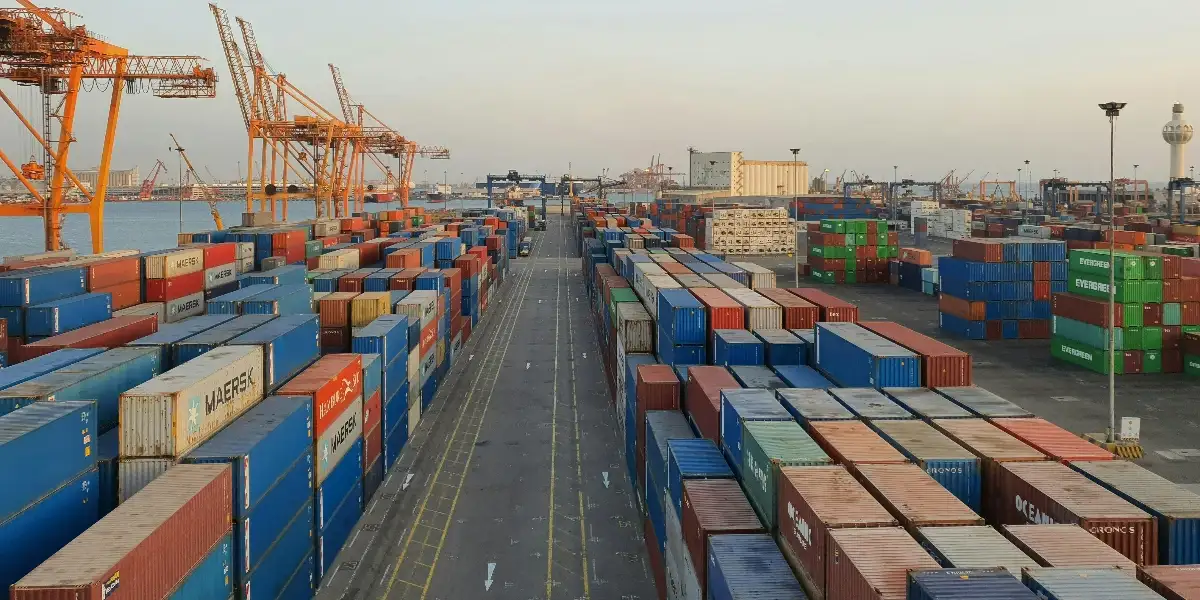
Scope 1: direct emissions from sources a company owns or controls, like company vehicles or on-site fuel combustion. Scope 2: indirect emissions from purchased electricity, steam, heating, or cooling. Scope 3: all other indirect emissions in a company's value chain, including purchased goods, transportation, and, notably for most companies, supply chain and logistics emissions from suppliers and carriers they don't directly control.
Why Scope 1, 2, and 3 Emissions Matter
For most companies, Scope 3 emissions, dominated by supply chain and transportation activity, represent the largest share of total emissions by far, often more than Scope 1 and 2 combined. As climate disclosure regulations expand, accurately measuring Scope 3 emissions has become one of the most significant and challenging supply chain reporting requirements companies face.
Latest Blog Updates



Machen Sie Ihre Supply Chains nahtlos und effizient


