Supply Chain Management (SCM)
Supply chain management (SCM) is the end-to-end coordination of everything involved in producing and delivering a product, sourcing raw materials, manufacturing, transportation, warehousing, and final delivery to the customer.
What Is Supply Chain Management (SCM)?
Supply chain management (SCM) is the end-to-end coordination of everything involved in producing and delivering a product: sourcing raw materials, manufacturing, transportation, warehousing, and final delivery to the customer. It covers the flow of goods, information, and money across every partner in that chain, from suppliers and manufacturers to carriers, distributors, and retailers.
How Does Supply Chain Management Work?
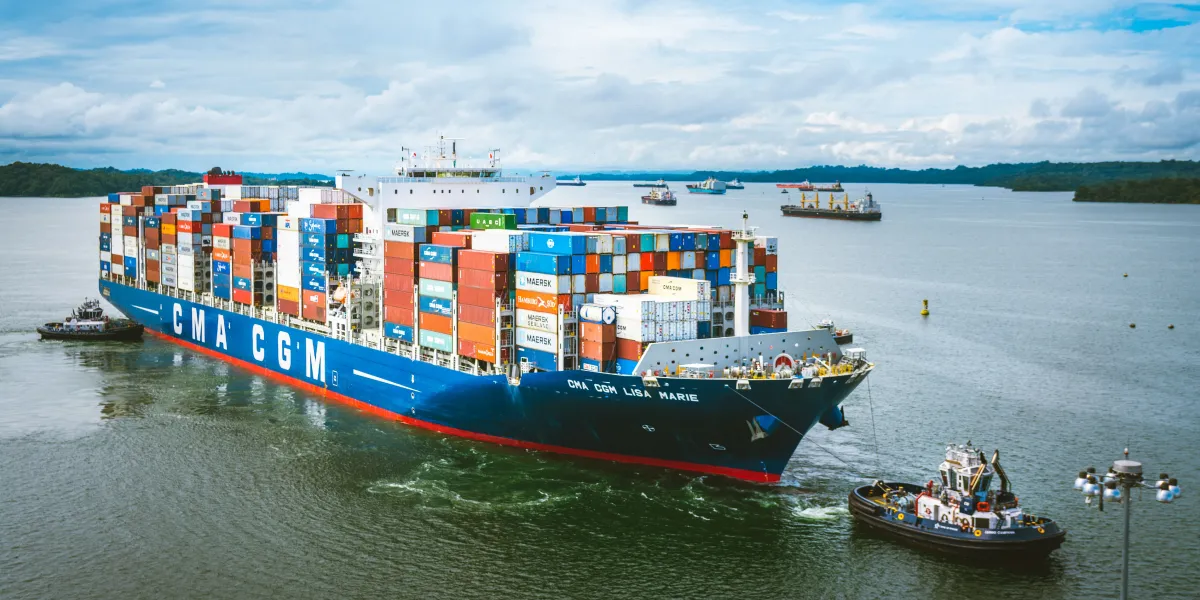
SCM runs on five core flows that repeat continuously: Plan (forecast demand, set inventory and production targets), Source (select suppliers, procure materials), Make (manufacture or assemble), Deliver (transport, warehouse, fulfill orders), and Return (handle returns and reverse logistics). Data has to move across all five steps in near real time - a delay in one stage, like a held-up ocean shipment, should trigger a response in another, like adjusting a production or replenishment schedule.
Core Components of Supply Chain Management
- Procurement and supplier management
- Production and inventory planning
- Transportation and logistics (ocean, air, rail, road)
- Warehousing and distribution
- Demand planning and forecasting
- Order fulfillment and returns
- Supply chain visibility and risk management
Why Supply Chain Management Matters
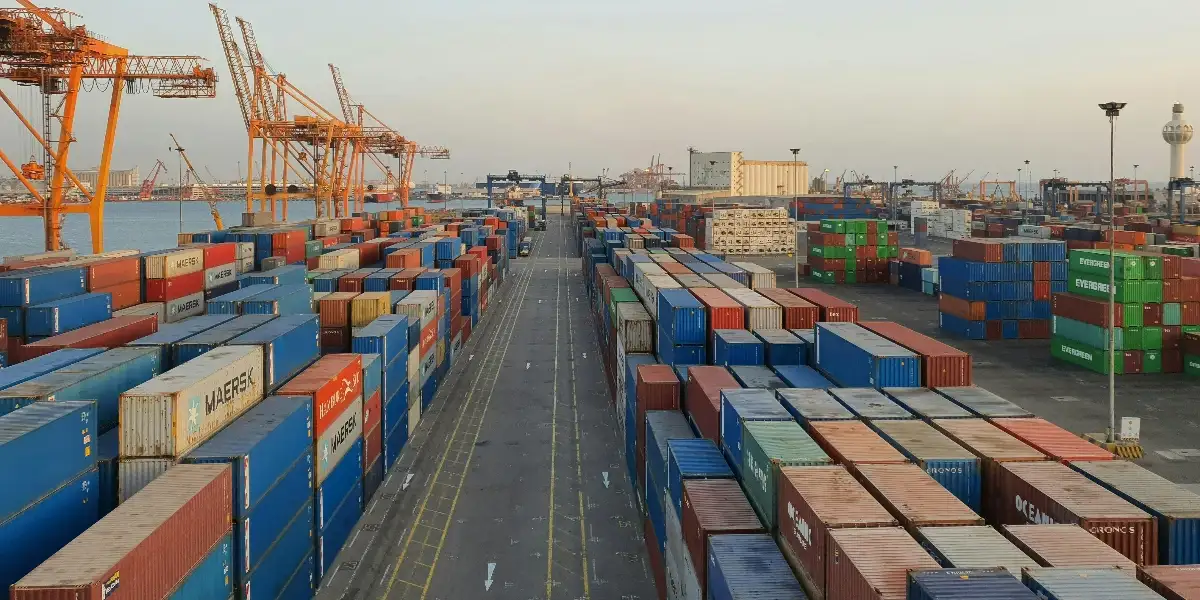
A well-run supply chain protects margin and delivery promises when disruption hits, from port congestion to tariff changes. Poor SCM shows up directly on the P&L as stockouts, expedited freight costs, and missed delivery windows. As supply chains have grown longer and more exposed to disruption, the teams that see problems earliest are the ones that protect both margin and customer experience.
Latest Blog Updates


Machen Sie Ihre Supply Chains nahtlos und effizient


