Demurrage
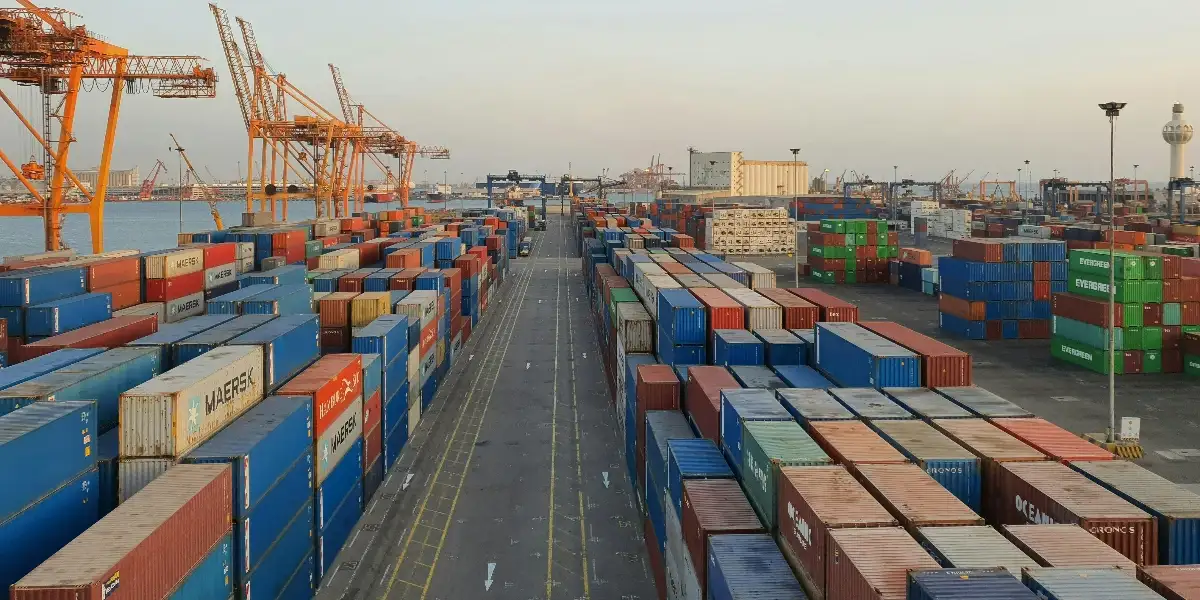
Demurrage is a fee charged by a shipping line or port terminal when a container isn't picked up (or, for exports, isn't loaded) within the agreed free time after it's discharged from the vessel. It's essentially a storage penalty for containers sitting in the port or terminal longer than allowed.
What Is Demurrage?
Demurrage is a fee charged by a shipping line or port terminal when a container isn't picked up (or, for exports, isn't loaded) within the agreed free time after it's discharged from the vessel. It's essentially a storage penalty for containers sitting in the port or terminal longer than allowed.
How Does Demurrage Work?
Every shipment gets a set number of free days at the terminal, often 3-7 days, starting when the container is discharged. If the consignee doesn't clear customs and move the container out within that window, the carrier starts charging a daily demurrage fee per container until it's picked up. Rates vary by carrier, port, container type, and season, and can escalate the longer the container sits.
Demurrage vs. Detention
These two terms are frequently confused. Demurrage applies while the container is still inside the port or terminal. Detention applies after the container has left the terminal but hasn't been returned empty to the carrier within the allotted free time. A shipment can incur both, one after the other, if delays happen at multiple stages.
Why Demurrage Matters
Demurrage charges add up fast, and they're almost always avoidable with earlier visibility. The biggest driver of demurrage isn't the shipping line, it's not knowing a container has arrived, or not being able to act on that information (booking a trucker, clearing customs) in time. For high-volume shippers, uncontrolled demurrage and detention can add up to a meaningful, recurring cost line.
Latest Blog Updates


Make Your Supply Chains Seamless and Efficient


