%201.svg)
For most organisations, operational visibility and cost management live in two different worlds. You can see where your containers are, but you can't manage what they're costing you in real time. By the time a detention invoice lands, the money is already out the door, and your team is left reconciling charges weeks after the fact.
Freight is one of the largest variable costs on the books, and the one with the biggest blind spots. When shipment data is not connected to your contracts and invoices, billing errors go uncaught, free day windows close before anyone notices, and allocation plans drift from what was negotiated. At thousands of containers a month, the leakage adds up fast.
That is why we built Cost Management into Portcast. Teams across operations, procurement, and finance now work from a single view of cost, contract, and execution, turning freight from a category that gets reconciled into one that gets managed. The result is lower freight spend, stronger cash flow, and unlocked working capital.
Knowing a container is delayed matters. Knowing what that delay is costing you, against the contract you negotiated, is what lets your team actually do something about it.
Below, we break down how it works.
Prevent Cost Before It Accrues
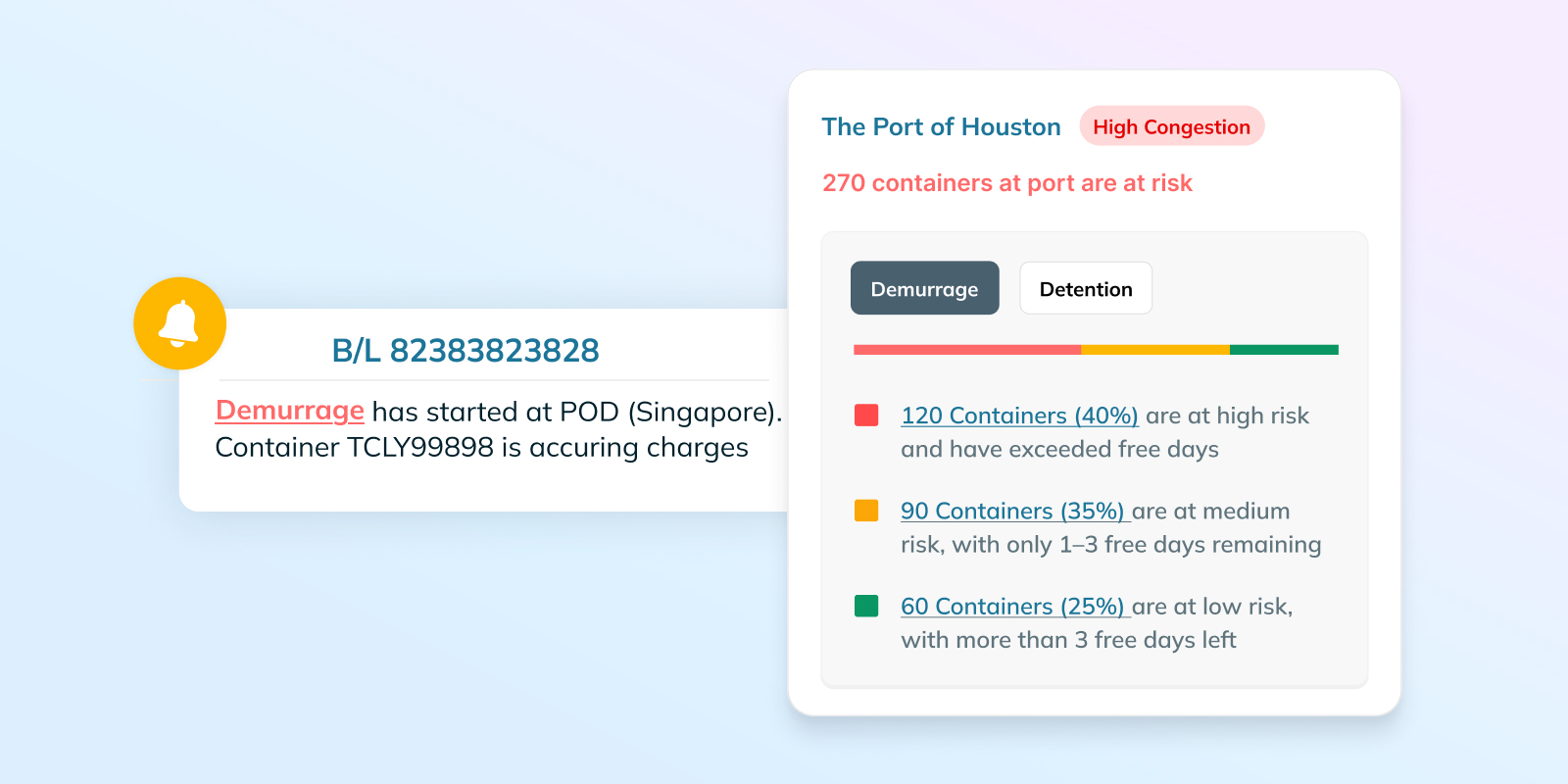
Cost Management brings live cost monitoring into the Command Center. The moment a container is matched against its contract, we start tracking free day allowances, detention and demurrage thresholds, and accrued charges as the voyage unfolds.
This means your team sees cost exposure the same way they see ETA risk. If a container is approaching its free day limit at the port of loading, it surfaces as an alert before charges begin. If demurrage has already started accruing at destination, the exact dollar figure is visible. No waiting for the invoice to find out.
Because the calculations run against your actual contracts and not public D&D rates, the numbers reflect the commercial reality your team negotiated. For our early customers of this feature, this has meant catching exposure days earlier and giving teams a concrete window to act before cost becomes sunk.
Optimize Spend Across Your Network
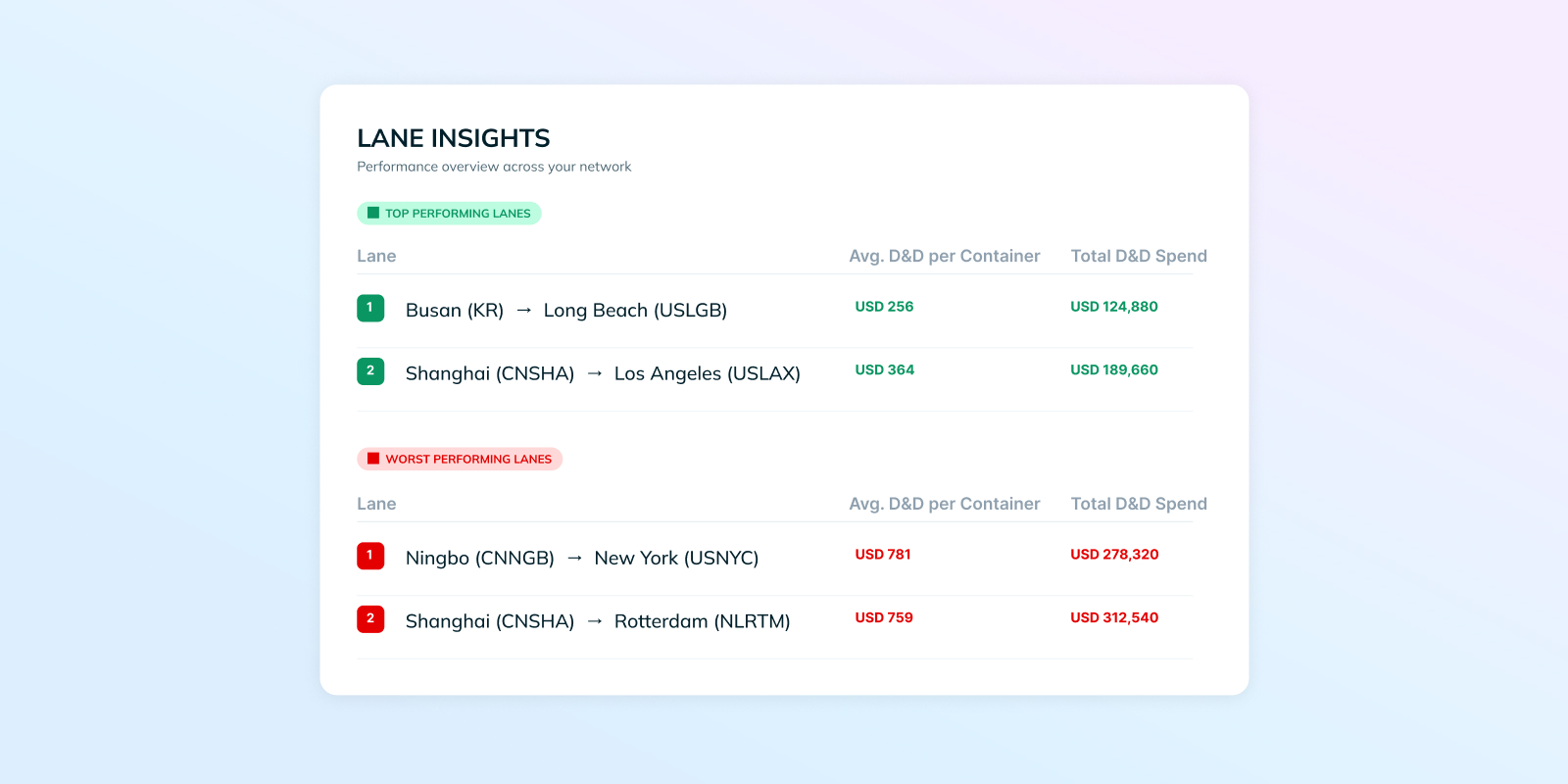
Historical shipments data is where patterns emerge. The updated Logistics KPI Dashboard now cross-references delay, dwell time, transshipment, and cost data across every completed voyage, so your team can see exactly which carriers and lanes are driving D&D spend.
The dashboard helps you separate exceptions from patterns. Some lanes show high total cost concentrated in just a few containers, which usually means a handful of operational outliers to investigate. Other lanes show lower cost per container, but across a large share of volume, which is a stronger signal of a structural issue with the lane, carrier, or port process.
Because we calculate retroactively against your milestone data, you do not need to wait months to build a baseline. For teams already using Portcast, cost patterns across past shipments become available as soon as contracts are ingested, ready to inform the next procurement round.
Recover Cost with Contract-Matched Audits
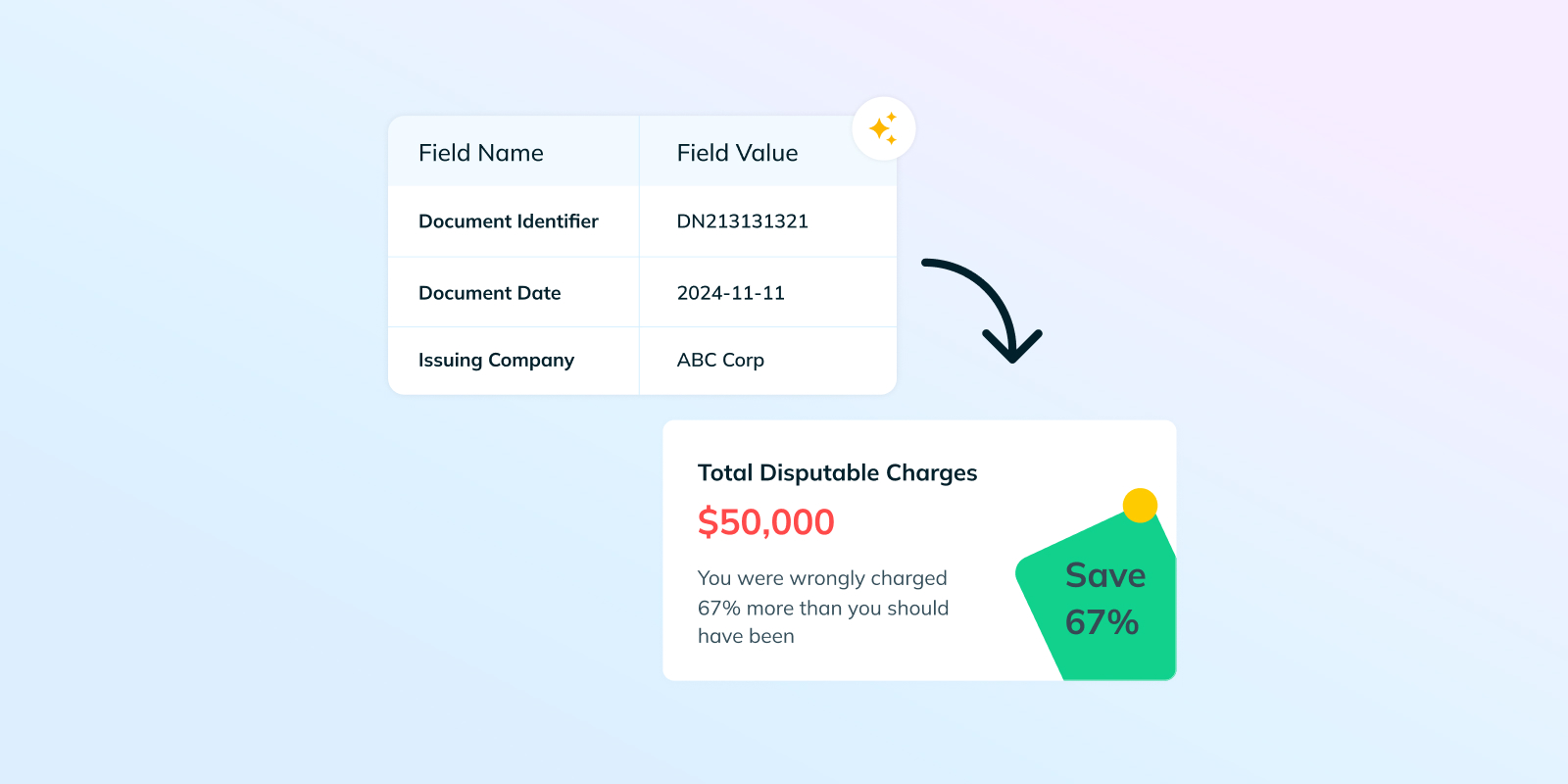
Our AI-powered Freight Audit closes the loop by verifying invoices against contract terms, free time allowances, and shipment timelines. When charges do not align, discrepancies are flagged with dispute-ready details, helping teams recover cost leakage faster and reduce manual audit effort.
This gives finance and operations a single workflow to catch billing errors, validate accessorial fees, and move faster on disputes.
We are also building in liability attribution, so when containers sit beyond their free days, the system can help determine whether the delay was the shipper's responsibility or the carrier's. That distinction is the line between a charge you pay and a charge you dispute.
Correct Allocation Drift Before It Costs You
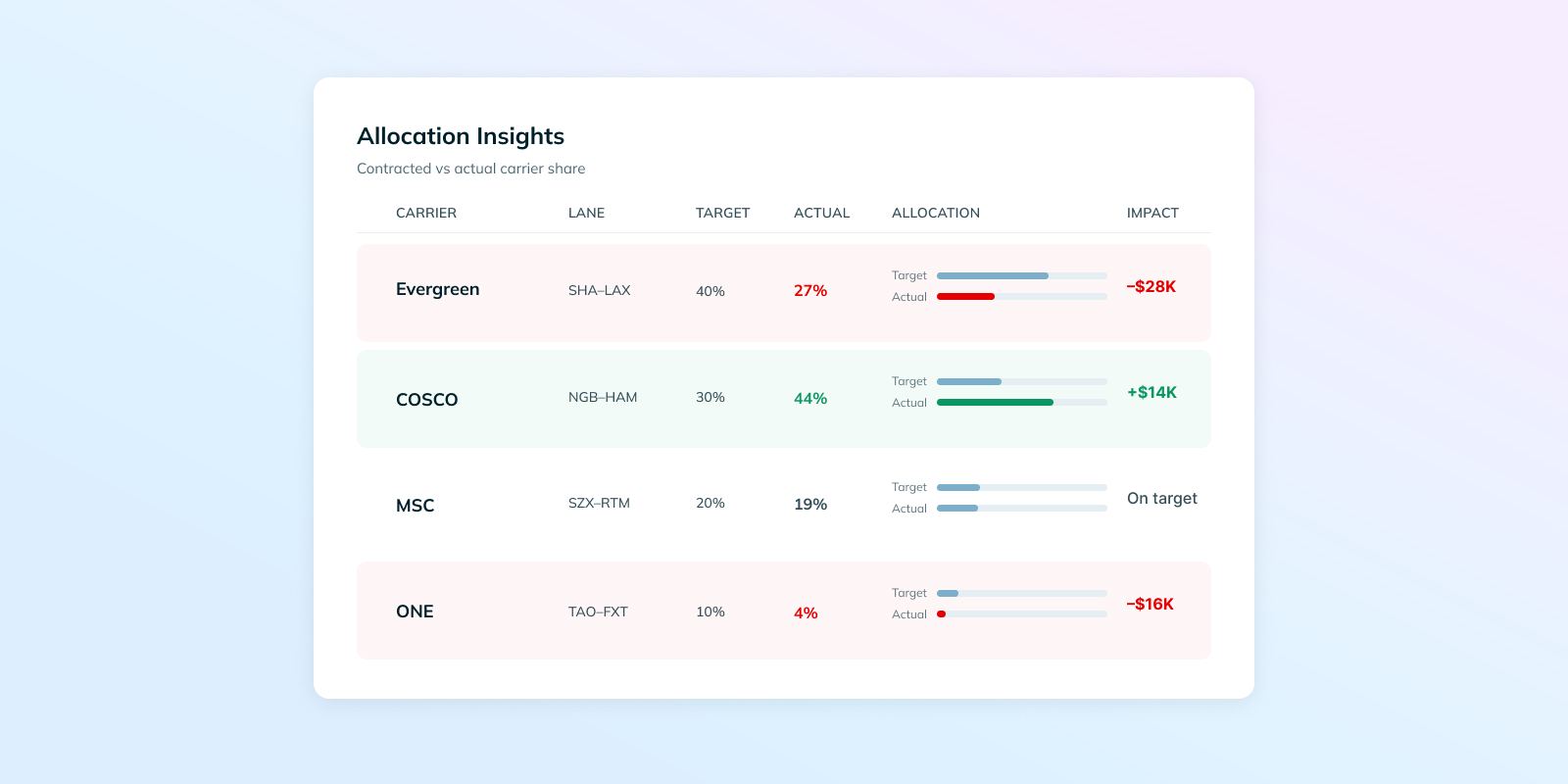
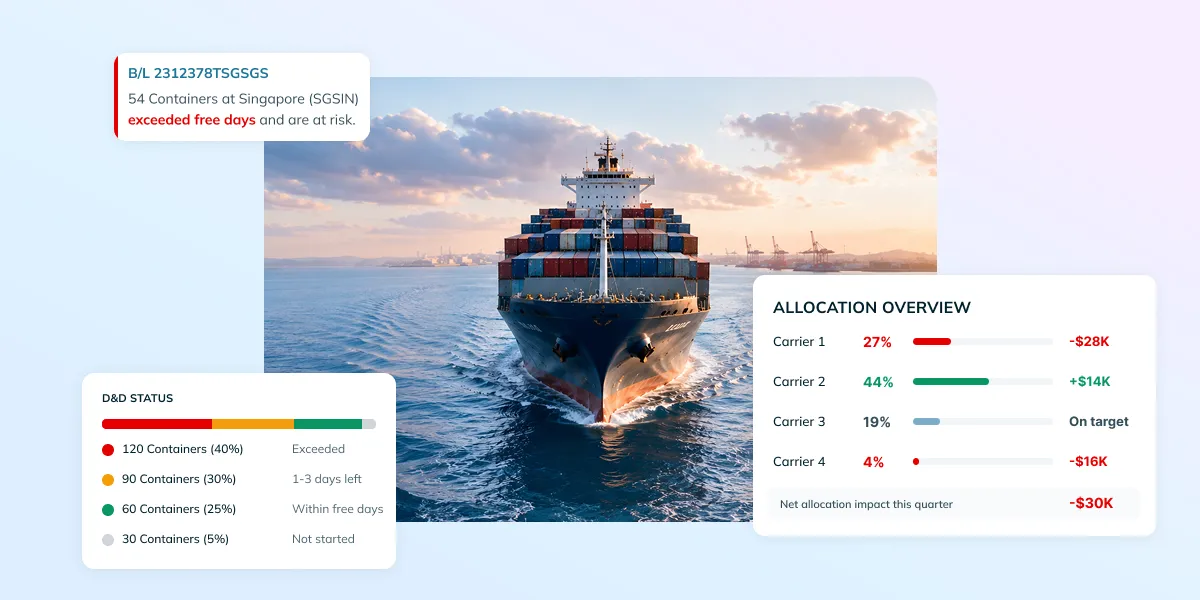
Allocation Insights closes the loop between what you negotiated during procurement and what actually gets booked.
When the mix shifts, you can see which carriers gained or lost share, when it happened, and what the financial impact was. This makes it easier to spot where day-to-day booking decisions are drifting away from the sourcing strategy, whether due to capacity constraints, service issues, or internal routing preferences.
The result is a tighter feedback loop for mid-cycle corrections and the next negotiation round, grounded in real shipment performance and spend outcomes.
What This Means for Your Team
Cost Management is not a single feature. It is a new layer running across our platform, turning contract data into live cost signals, historical benchmarks, invoice validation, and allocation intelligence.
The Command Center catches exposure as it happens. The KPI Dashboard shows where cost concentrates over time. Freight Audit recovers what should not have been billed. Allocation Insights helps procurement and planning teams act on what the data reveals before the next contract cycle.
Together with Operational Visibility, this is what makes Portcast an integrated freight intelligence platform. Freight stops being a cost line that finance reconciles after the fact and becomes a lever that operations, procurement, and finance can actually pull. The best teams no longer manage freight after the fact. They manage it as it moves, with cost attached to every operational decision.
If managing freight cost is a priority for your team, we'd love to learn about your business and show you what Cost Management can do. Get in touch with us.