%201.svg)
Food and beverage supply chains are unforgiving when it comes to delivery timing and shelf-life windows. Delivery windows are tight, and inventory buffers are limited. While a delayed electronics shipment might frustrate a customer, a delayed cold-chain shipment can compromise product quality, trigger regulatory issues, and damage relationships built over years. Because products are perishable and highly regulated, delays in food and beverage logistics carry far higher operational and commercial risk than in most other categories.
The risks typically fall into three categories, and all three hit F&B logistics operations harder than other sectors.
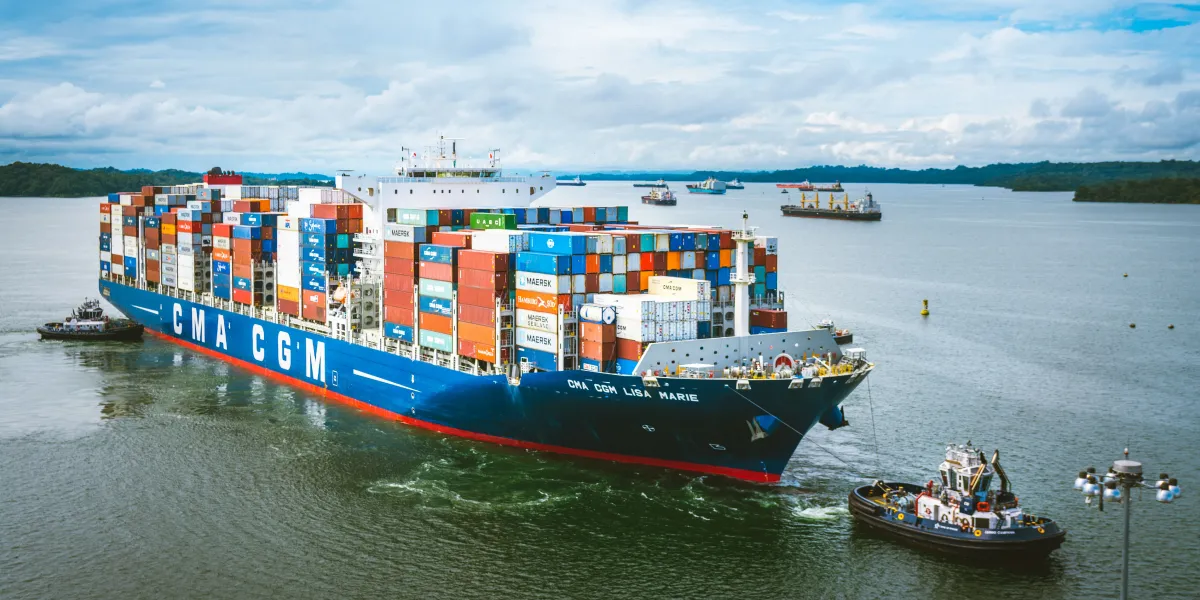
Operational risks are the changes carriers make that impact your shipments. A container rollover in Singapore. A vessel skipping Oakland and diverting to Seattle instead. A transshipment delay in Rotterdam that turns a 21-day journey into 28 days. For shelf-stable products, this creates inconvenience. For temperature-sensitive cargo, each additional day increases the risk of spoilage, especially when reefer equipment sits idle at congested ports.
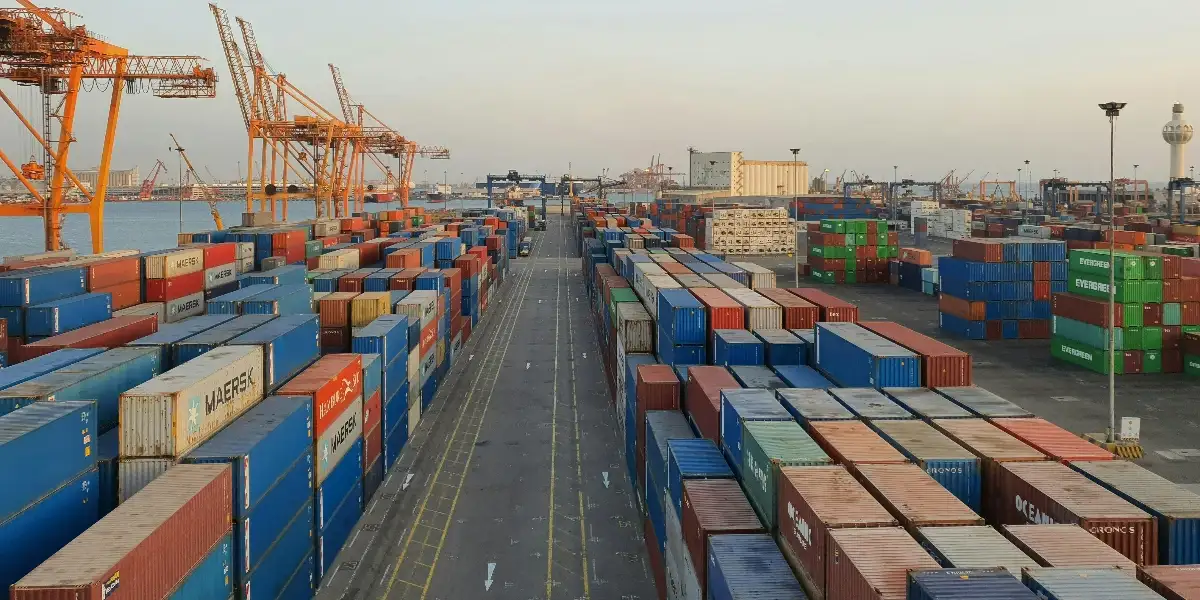
External risks are the disruptions beyond anyone's control. Typhoons in the South China Sea, labour strikes at European ports, or congestion at major transshipment hubs during peak season. For example, when severe port congestion at Cape Town caused vessels to wait 8-10 days at anchorage before berthing, fresh produce shippers watched their delivery windows evaporate while their containers sat offshore, reefer units running on backup power.
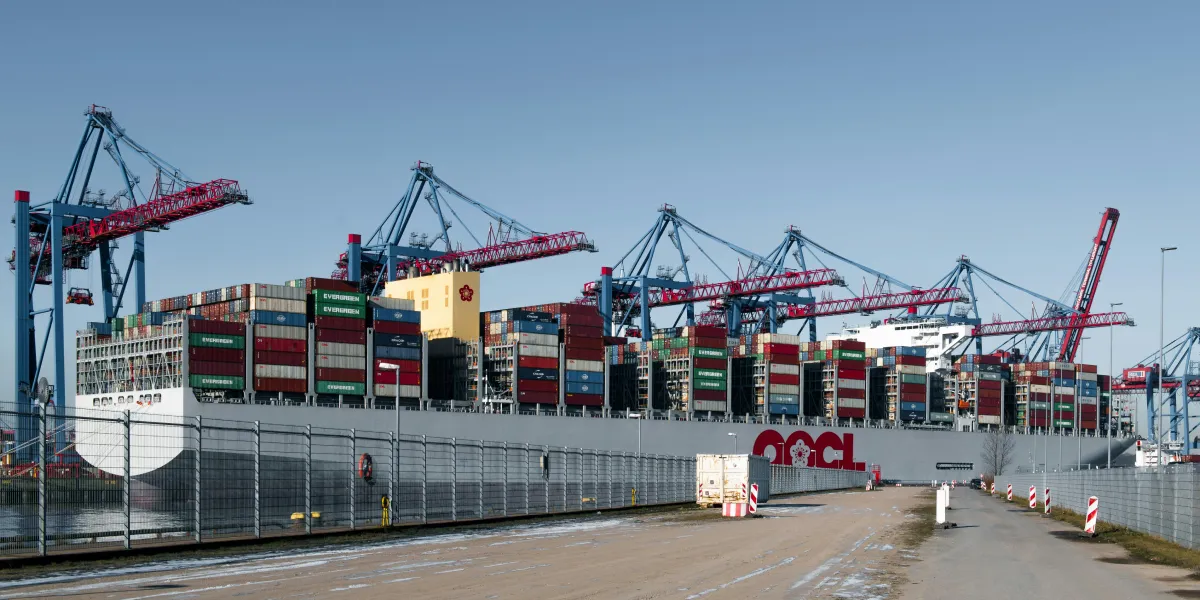
Labor strikes at major gateways like Antwerp continue to disrupt vessel schedules and create downstream congestion across European networks. When berthing delays stretch into days, food and beverage shipments face shrinking delivery windows, extended dwell times, and rising cold chain risk as containers remain idle longer than planned.
Financial risks arise when costs compound. Demurrage and detention charges for containers that miss their pickup windows. Duplicate accessorial charges on invoices. Overpayments because someone manually tracking hundreds of shipments missed that the carrier, not the shipper, caused the delay.

When these three risk categories intersect in a single shipment, the costs multiply. A typhoon delays a vessel (external risk). The carrier responds by skipping a port (operational risk). Your team does not find out until the container is already past the planned delivery date (no risk prioritization). The late arrival triggers penalty clauses with your customer, demurrage fees pile up, and your finance team pays detention charges they could have avoided or disputed (financial risk).
Why traditional visibility does not solve ocean freight risk
Most logistics teams have tracking platforms that show container locations and estimated arrival times from shipping carriers. Yet they are firefighting.
The issue is not a lack of data or visibility. The issue is knowing what to look at and what actions are priorities.
A dashboard showing 200 active shipments still requires a human to interpret which ones will become problems and which will resolve on their own. By the time a team identifies the high-risk containers, investigates the cause, and coordinates a response, the window to prevent damage has often closed. For food and beverage shippers, these delays translate directly into cost.
Missed delivery windows trigger retailer penalties. Extended dwell times increase demurrage and detention risk. Last-minute truck replanning drives up transportation spend. What looks like a visibility gap on screen becomes real financial leakage across service, inventory, and freight budgets.
For F&B shippers, this is where millions disappear each year. Traditional visibility platforms were built for tracking, not for prioritization. They show you everything, when what you actually need is to see the five shipments out of 200 that require action right now.
Consider this scenario: your team manages a weekly flow of fresh salmon from Norway to Boston. The shipment undergoes a transshipment in Antwerp. Under normal conditions, containers spend 18-24 hours at the port before loading onto the next vessel. But this week, port congestion means your container has been sitting idle for four days. Your tracking platform shows "in transit" because technically, the container is moving through the supply chain. What it does not tell you is that four days of idle time at a congested European port in summer has likely compromised your product's shelf life, even in a reefer container.
The team learns about the delay when the consignee in Boston receives the shipment and reports quality issues. By then, you are incurring costs and handling customer complaints that could have been prevented early.
When risks are not identified early, financial exposure grows
Logistics firefighting has a measurable cost. Teams spend hours each week juggling between managing risks, updating spreadsheets with revised ETAs, and sending status emails to internal stakeholders and customers.
That is time not spent on improving supplier relationships, negotiating better terms, or optimizing route selection.
The operational costs are more visible:
- Last-minute airfreight to replace a delayed ocean shipment.
- Expedited trucking because a container arrived at the wrong port.
- Buffer inventory held at distribution centers to absorb unreliable transit times.
- Demurrage and detention fees when containers miss pickup windows because no one knew they had arrived early or would arrive late.
Then there are the penalties. Service level agreements with retail customers often include clauses for late delivery. Miss your delivery window by 48 hours, and you might absorb a 10% penalty on that order. Miss it by a week, and you are looking at rejected loads, disposal costs for perishable goods, and strained customer relationships.
For finance leaders, these losses are hard to quantify because they are spread across operational budgets. But over time, they become material. Many F&B shippers lose millions each year not because of one major disruption, but because of hundreds of small, preventable ones.
The pattern repeats because the underlying problem persists: teams react to disruptions rather than anticipate them.
How can F&B teams actually manage supply chain risks?
The alternative is not eliminating delays. Vessels will still encounter bad weather. Ports will still experience congestion. Carriers will still make last-minute operational changes.
The alternative is knowing about these risks early enough to act. Not just knowing that a delay occurred, but understanding why it happened, which shipments it affects, and what options exist to minimize its impact.
Leading F&B logistics teams are shifting from tracking-based visibility to exception-based visibility and proactive actions to avoid further costs. Instead of monitoring every container, they focus on the subset that faces genuine risk. Instead of waiting for carrier updates, they use predictive data that identifies potential disruptions before official notifications arrive.
This approach requires three things:
First, the ability to customize what constitutes a risk based on your specific operations. A three-day delay might be acceptable for dry goods but catastrophic for fresh produce. Your visibility system should reflect that distinction.
Second, alerts that drive action, not just information. Knowing a container has been idle at a transshipment port for six days is useful only if you also know which vessel it should transfer to and whether alternative routing options exist.
Third, seamless integration with your existing workflows so risk insights trigger action, not just alerts. Risk information feeds directly into operational and financial systems, enabling teams to act immediately, reroute shipments, adjust plans, or notify customers before delays escalate. This helps avoid downstream costs, missed SLAs, and delivery failures instead of reacting after the damage is done.
When these elements work together, the impact is tangible. Teams spend less time narrating problems and more time preventing them. Hours previously lost to manual tracking get redirected to strategic work. Demurrage and detention costs drop because teams can plan transport pickups when alerted, prove when delays were carrier-caused, and dispute invalid charges. Most importantly, spoilage and product loss decrease because teams can reroute at-risk shipments, adjust customer delivery expectations, or arrange priority handling before the product degrades.
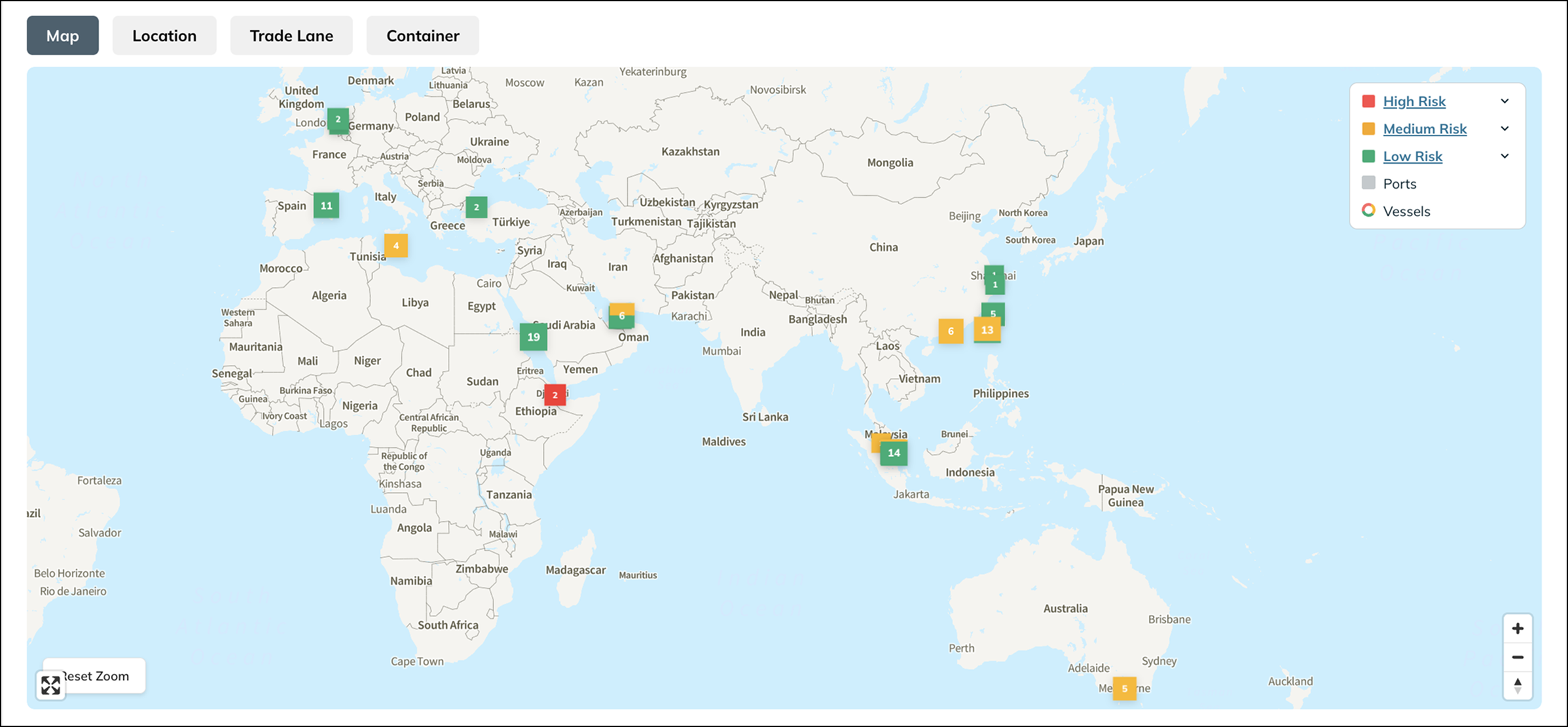
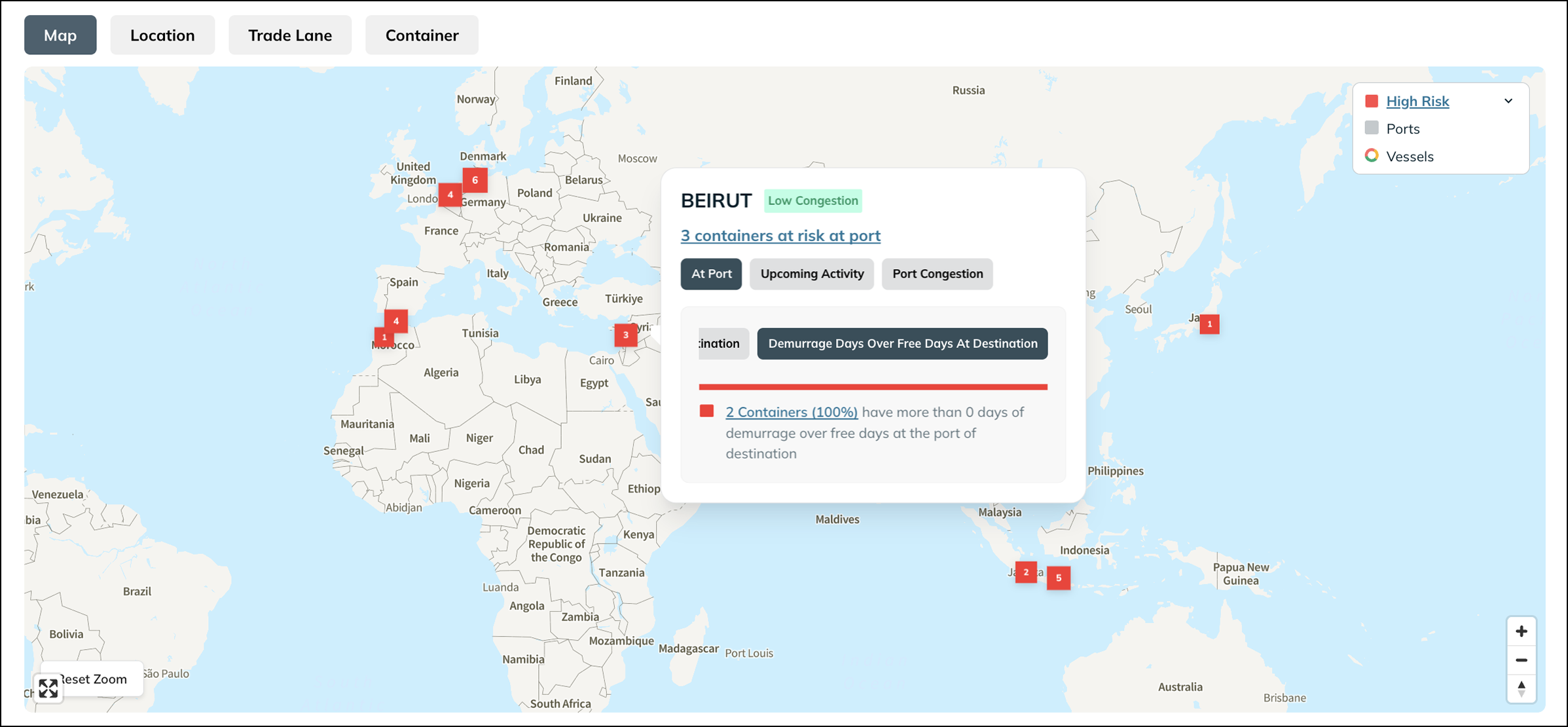
Tools like Portcast's Command Center reflect this shift. Rather than showing every shipment, they surface exceptions: containers at risk of rollover, transshipment risks, port congestion that will affect planned delivery dates, or vessels that have deviated from scheduled routes. Users define their own risk thresholds based on what matters to their specific lanes and products. The system applies those rules automatically as new data arrives, so teams see only what requires attention. The next step is for the human operator to look at the AI-best-fit recommendation and trigger actions.
This is not about replacing human judgment. It is about directing that judgment where it creates the most value. When your team can instantly see which three containers out of 150 need intervention, and why, they stop being reactive and start being strategic.
How a multi-billion-dollar F&B company rethought risk management
The shift from reactive to predictive logistics is not a future vision. It is happening now among F&B companies that recognize supply chain risk as structural rather than occasional. These teams have stopped accepting firefighting as normal and started measuring how much of their supply chain operates without constant manual intervention.
One of Portcast's customers is a large global food and beverage manufacturer operating across snacks, confectionery, biscuits, chocolate, and packaged foods. With sales routed through retailers, distributors, and wholesalers across dozens of countries, the business relies heavily on ocean freight and cross-border movements to keep shelves stocked and promotions on track.
At this scale, the supply chain runs on high shipment volumes, time-bound delivery commitments, and tight service-level expectations. Even small delays can ripple into missed retail windows, inventory imbalances, and commercial escalations.
By adopting an exception-first Command Center approach, the team stopped monitoring every container equally. Instead, they used pre-set and customized criteria to surface containers that needed attention now; those impacted by vessel delays, rollovers, idle transshipments, emerging port congestion, or early-stage D&D exposure.
This gave their team:
Instant clarity on login: Teams could immediately see which containers required action that day, instead of manually scanning the entire shipment population. This reduced time spent on low-value, repeatable checks by 20–50% and accelerated decision-making.
Faster action on impacted containers: With delay reasons and risk signals visible upfront, teams reached impacted containers nearly 2x faster, cutting down manual steps before meaningful action could be taken.
Cost control through early D&D intervention: They identified containers where D&D had started accruing, understood the root cause (e.g., a rollover or terminal congestion), and proactively alerted carriers. This helped avoid incorrect D&D charges and reduced downstream dispute effort.
The faster time to action gave teams room to adjust downstream inventory plans, plan pickups more effectively, and align commercial teams before service commitments or SLAs were impacted.
From logistics firefighting to control: a more resilient future for food and beverage logistics
When teams can predict disruptions instead of just tracking them, they regain control. They can prioritize risk, reduce disruption, and protect both service levels and margins.
The difference between tracking and prediction is the difference between damage control and damage prevention. For F&B shippers moving millions of dollars in perishable goods each month, that difference shows up in margin points, customer retention, and whether your logistics team spends its week managing crises or optimizing operations.
The companies winning are treating visibility as a risk management tool, not a tracking dashboard. They are setting goals for touchless operations, measuring time saved, and quantifying the financial impact of early intervention.
Curious how exception-based visibility could work for your supply chain? Our team can walk you through how Portcast helps teams take action early. Request a demo