Intermodal Transportation
Intermodal transportation is the movement of freight using two or more transportation modes, such as rail, truck, and ocean vessel, without the cargo itself being handled or repacked when switching modes, typically because it stays within the same container.
What Is Intermodal Transportation?
Intermodal transportation is the movement of freight using two or more transportation modes, such as rail, truck, and ocean vessel, without the cargo itself being handled or repacked when switching modes, typically because it stays within the same container.
How Does Intermodal Transportation Work?
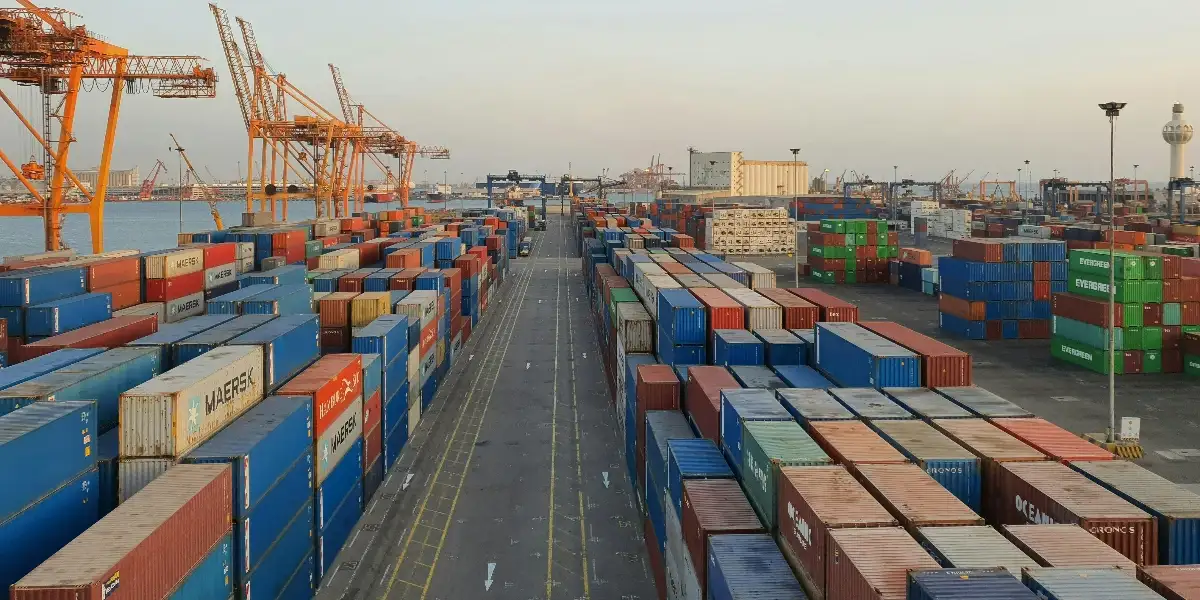
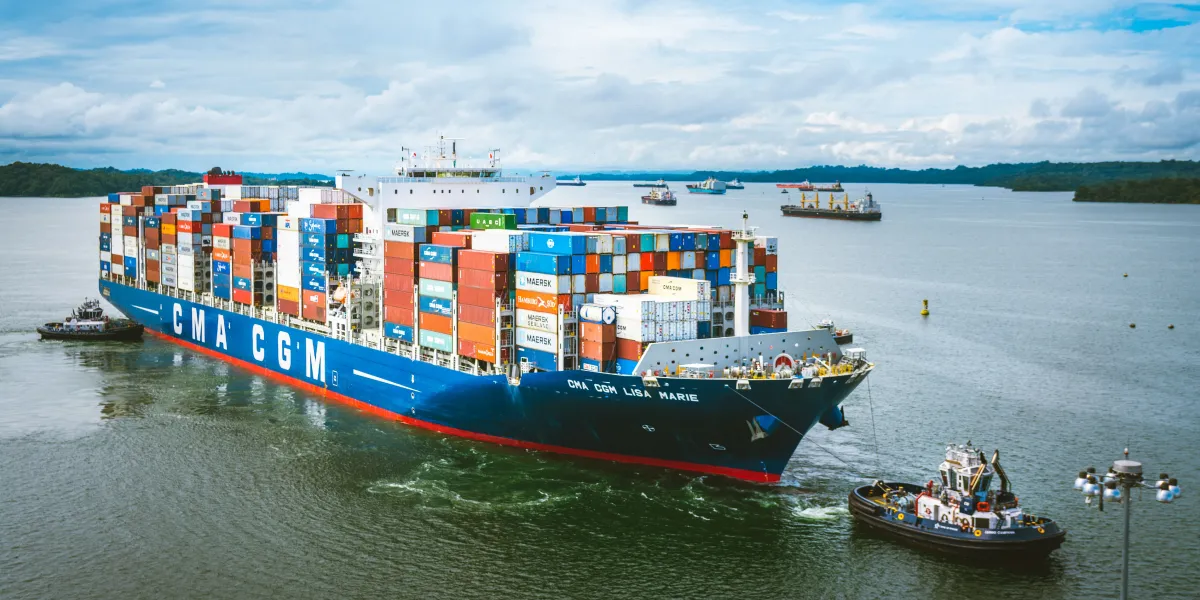
A shipment moves in a single container or trailer across its journey, an ocean container might travel by ship, then be transferred directly onto a rail car, then onto a truck chassis for final delivery, without ever being unpacked and repacked at each transfer point. This reduces handling, damage risk, and labor cost compared to breaking down and reloading cargo at each mode change.
Benefits of Intermodal Transportation
- Lower cost than long-haul trucking alone for longer distances
- Reduced handling and damage risk versus mode changes requiring repacking
- More fuel-efficient and lower-emission than all-truck routes for long distances
- Flexibility to combine the cost advantages of rail/ocean with the door-to-door reach of trucking
Why Intermodal Transportation Matters
Intermodal transportation is often the most cost-effective option for long-distance freight that doesn't require the speed of dedicated trucking, though it depends on reliable coordination between different carriers and terminal operators at each transfer point, which is also where delays most commonly occur.
Latest Blog Updates


Machen Sie Ihre Supply Chains nahtlos und effizient


